


 Paul Slowey
High Standards, Healthy Students: 9 Strategies to Balance Academic Performance and Wellbeing
Balancing academic performance with student wellbeing feels like walking a tightrope for many educators today. You want to lift standards without adding to teacher workload or student stress. This post offers nine practical strategies rooted in future-focused teaching that help you nurture both achievement and wellbeing in your classroom. Keep reading to find clear steps that make this balance a reality for you and your students. [https://genpsych.com/the-balanced-equation-academic-success-and-mental-well-being/]
Boosting Student Wellbeing and Performance

Balancing academic performance with student wellbeing feels like a tightrope walk. You aim to lift standards without adding stress. Here’s how you can nurture both.
Creating a Culture of Care
Start with fostering an environment where every student feels valued. When students feel cared for, they thrive academically. Encourage open conversations about feelings and challenges. Use morning meetings or class circles where students can share thoughts. This builds trust and respect.
In your classroom, create safe spaces where students can express themselves without judgment. Let them know it’s okay to make mistakes. This approach not only boosts confidence but also enhances learning. Use resources like this blog on balancing school work and life for more insights.
Purposeful Assessment Practices
Shift from traditional tests to assessments that truly reflect student understanding. This doesn’t mean more work—it means smart work. Use formative feedback to guide students. This approach helps them see their own progress and areas needing improvement.
Consider using project-based assessments. This not only demonstrates what students know but also how they apply their knowledge. With these methods, you’ll find students more engaged and less anxious about grades. Explore more at this article on balancing academics and mental health.
Balancing Teacher Workload
Reducing your workload doesn’t mean compromising quality. It means strategic planning. Collaborative planning with colleagues can share the load and spark new ideas. Consider using tech tools for routine tasks like grading or attendance.
Set clear boundaries for work and personal time. Remember, a well-rested teacher is more effective. For more strategies, check out this article on workload management.
Future-Focused Teaching Strategies

With a foundation of care, assessments, and workload management, you can explore future-focused strategies that enhance learning and wellbeing.
Enhancing Student Agency
Empower students to take charge of their learning. When students have a say in their education, they become more invested and motivated. Offer choices in assignments or projects. Let them choose topics they’re passionate about.
By fostering student agency, you build confidence and independence. They learn to set goals and take responsibility for their achievements. This approach not only aids learning but also builds life skills.
Embedding Higher-Order Thinking Skills
Encourage students to think deeply. Move beyond memorisation to analysis and evaluation. Use questions that require more than yes or no answers. For example, ask, “What would happen if…?” or “Why do you think…?”
This not only prepares students for exams but also for real-life problem-solving. Incorporate activities that require them to apply concepts in new ways. This approach fosters critical thinking and creativity.
Real-World Learning Connections
Connect classroom learning to real-world scenarios. When students see the relevance of what they’re learning, engagement soars. Use current events, community issues, or global challenges as teaching tools.
Invite guest speakers or arrange field trips. These experiences make learning tangible and memorable. They show students the impact of their learning beyond the classroom.
Practical Tools for the Classroom
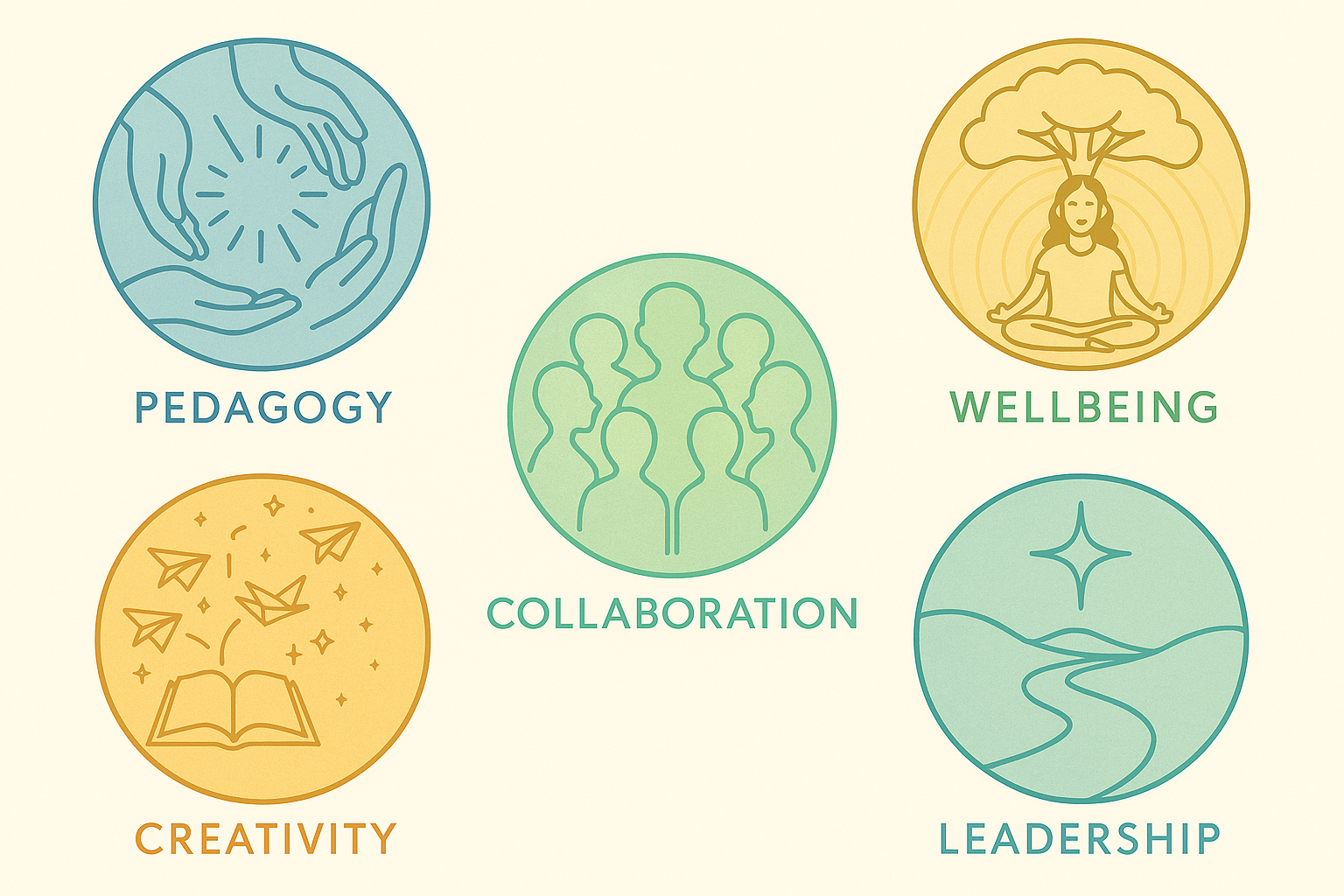
Now that you’re equipped with strategies, here are some tools to implement them effectively.
Effective Classroom Routines
Establish clear, consistent routines. They provide structure and security, allowing students to focus on learning. Use visual schedules or checklists to guide daily activities. This not only saves time but also reduces anxiety.
Consistent routines foster a sense of stability and predictability. They help students know what to expect and how to prepare, creating an environment conducive to learning.
Wellbeing Check-Ins
Regular check-ins promote emotional health. Use simple tools like mood meters or journals where students can express their feelings. This not only helps you gauge their emotional state but also teaches self-awareness.
Encourage sharing and discussions around wellbeing. This creates a supportive community where students feel seen and heard. For more ideas, explore this resource on balancing academics and mental health.
Reflective Practice Techniques
Encourage reflection to deepen understanding. Use techniques like journaling or group reflections after activities. Ask students to consider what they learned and how they can apply it.
Reflection helps consolidate learning and promotes metacognition. Students become more aware of their thought processes, aiding future learning.
🎓✨
Balancing academic success with student wellbeing is within your reach. By creating a caring culture, using purposeful assessments, and managing your workload, you lay the groundwork for future-focused strategies. Empower your students with agency, connect learning to the real world, and embed higher-order thinking for a comprehensive approach. Practical tools like effective routines, wellbeing check-ins, and reflective practice ensure you achieve this balance, nurturing both achievement and wellbeing in your classroom.
