


 Paul Slowey
From Setback to Comeback: Building Student Resilience for Future Success
Most schools still rely on outdated approaches that leave students unprepared for real challenges ahead. You know that building student resilience goes beyond pep talks—it means embedding agency, wellbeing, creativity, and higher-order thinking into daily learning. This post shares ready-to-use classroom strategies designed for future-focused teaching, helping your students adapt and thrive in a changing world. Try one strategy this week, then explore tools from Teach for Tomorrow to deepen your impact. Learn more about building resilience.
Cultivating a Resilient Classroom

Creating a resilient classroom starts with empowering students to take charge of their learning. This means weaving agency into your teaching approach. Let’s explore how you can make this happen.
Embedding Student Agency
Student agency isn’t just about giving choices; it’s about fostering a sense of ownership. Begin by involving students in setting goals. When they set their own targets, they feel more invested. Have you ever tried letting students design part of a project? This simple shift can ignite a spark of creativity and responsibility.
Incorporating student feedback is another powerful tool. Ask them what works and what doesn’t. You might be surprised by the insights they offer. This feedback loop not only refines your teaching but also validates their voices.
Micro-decisions matter too. Allow students to choose how they demonstrate understanding. Whether it’s a video presentation or a written report, these choices build confidence. Remember, student agency builds not just competence but confidence. It’s a small change with a big impact.
Promoting Wellbeing in Education
Wellbeing in education is more than just a buzzword—it’s the foundation for any successful learning environment. When students feel safe and supported, they’re more open to new ideas. Start by creating a classroom culture where every student feels valued and seen.
Introduce mindfulness exercises to help students manage stress. These can be quick, five-minute practices at the start or end of a lesson. Mindfulness doesn’t just calm; it cultivates focus, enhancing learning capacity.
Build a community of support by encouraging peer connections. Buddy systems or group projects foster collaboration and reduce isolation. Did you know that students who feel connected have higher academic success? It’s true. Learn more about building resilience through wellbeing.
Strategies for Future-Focused Teaching
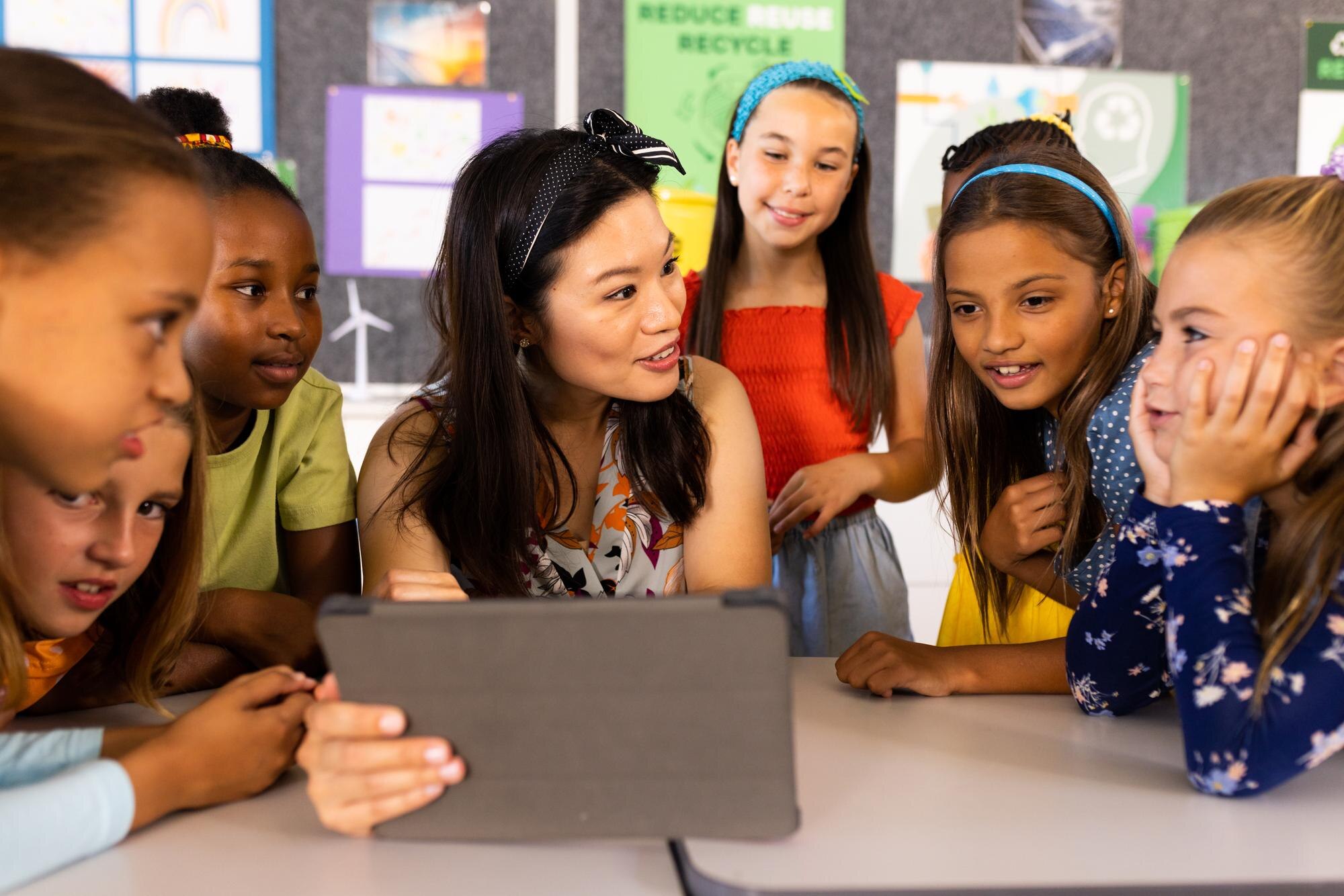
Now that your classroom is set up to support resilience, it’s time to dive into specific strategies for future-focused teaching. Let’s look at how you can integrate higher-order thinking and real-world applications into your lessons.
Higher-Order Thinking Skills
Higher-order thinking goes beyond memorization. It challenges students to analyse, evaluate, and create. Begin with open-ended questions in your lessons. These questions require more than a yes or no and push students to think critically.
Incorporate problem-based learning where students tackle real-life scenarios. This approach not only builds higher-order thinking skills but also prepares them for real-world challenges. Imagine students working on a community issue and presenting solutions. Not only are they learning, but they’re also contributing.
Reflective journals are another excellent tool. Encourage students to reflect on what they’ve learned and how they’ve applied it. These reflections deepen understanding and can spark further inquiry. Remember, the goal is to create thinkers, not just learners.
Real-World Learning Applications
Real-world applications make learning relevant and exciting. When students see the connection between what they learn and the world outside, engagement soars. Start by incorporating current events into your lessons. This practice keeps learning dynamic and applicable.
Project-based learning is key here. Have students work on projects that address real-world problems. For instance, designing a sustainable garden can teach biology, ecology, and teamwork all at once. Projects like these are memorable and impactful.
Collaboration with local organisations can also enrich learning. Invite guest speakers or plan field trips that align with your curriculum. These experiences provide context and depth, making learning come alive. Explore more strategies for real-world learning applications.
Building Belonging and Classroom Culture

With your strategies in place, focus on building a strong classroom culture. This culture of belonging is crucial for student success. Here’s how you can foster a sense of community and independence.
Fostering Learner Independence
Encouraging independence in learners starts with small steps. Begin by setting clear expectations. When students know what is expected, they feel more secure to explore and take risks. Offer choice boards for assignments, allowing students to select tasks that interest them.
Develop self-directed learning plans where students outline their path to achieve a goal. This plan promotes ownership and accountability. Remember, independence is a skill that grows with practice—start small and expand as confidence builds.
Peer teaching is another powerful tool. When students teach each other, they reinforce their own learning. This practice builds competence and community, as students see each other as resources.
Reflective Practice for Growth 🌱
Reflection is the key to growth. Encourage students to engage in reflective practice regularly. This process helps them consider what they’ve learned and how they can improve. Use prompts like “What went well today?” or “What could I do differently next time?”
Introduce metacognition strategies to help students think about their thinking. These strategies develop awareness and control over their learning processes. Metacognition is a skill that supports lifelong learning and adaptability.
Finally, celebrate growth, not just achievement. Recognise efforts and progress, fostering a growth mindset in schools. When students see that effort leads to improvement, resilience naturally follows.
By embedding these strategies, you’re setting the stage for your students’ future success. These approaches are not just about surviving challenges but thriving beyond them. For educators eager to dive deeper, exploring resources like Teach for Tomorrow can enrich and extend these practices. Discover more about fostering resilience in students.
