


 Paul Slowey
Inclusive Teaching That Works: Future-Focused Strategies for Diverse Ways of Learning
Forget one-size-fits-all lessons—they don’t match today’s classrooms. You need inclusive teaching strategies that respect diverse learning styles and spark real engagement. This post gives you clear, practical ways to design lessons that build student voice, choice, and agency from day one. Let’s explore how future-focused teaching can reshape your classroom tomorrow. For more insights, visit this resource.
Embracing Diverse Learning Styles
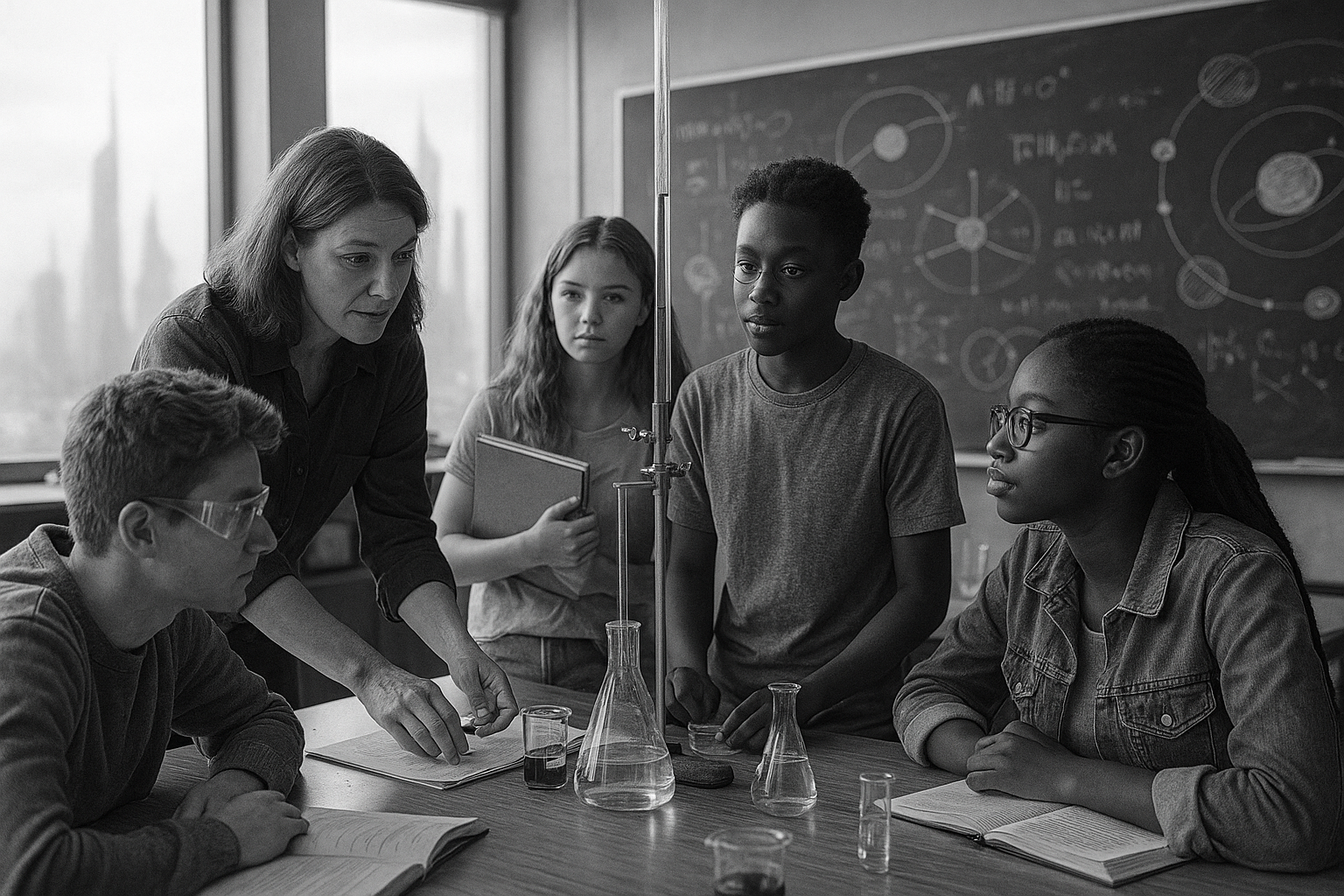
Creating a classroom that honours every student’s unique way of learning is possible with thoughtful strategies. Let’s delve into some effective methods.
Universal Design for Learning (UDL) Principles
UDL is like a toolkit for teaching every student. It focuses on giving multiple ways to learn, engage, and express ideas. Imagine a lesson where students choose how they show what they’ve learned—through a project, a presentation, or a written report. This flexibility caters to different strengths and interests. For example, a science class might offer options to draw, write, or build a model to explain a concept. This approach supports all learners and encourages creativity.
For more examples of inclusive strategies, check out this comprehensive list.
Differentiation in the Classroom
Differentiation means adjusting your teaching to meet individual needs. Picture a math lesson where some students work with manipulatives while others solve problems on paper. By tailoring tasks to various skill levels and interests, you ensure everyone is challenged yet supported. It’s like having a personalised learning plan for each student, which boosts confidence and learning outcomes.
Key Insight: Differentiation isn’t about creating entirely separate lessons; it’s about small changes that make learning accessible.
Neurodiversity in Education
Neurodiversity embraces the idea that everyone’s brain works differently. Recognising this in your teaching can transform the learning environment. For instance, offering quiet spaces or movement breaks can help students with ADHD focus better. It’s essential to see these differences as strengths, not deficits, and to provide tools that help all students thrive.
Mini-Payoff: By valuing neurodiversity, you create an inclusive space where every student can succeed.
Future-Focused Teaching Strategies
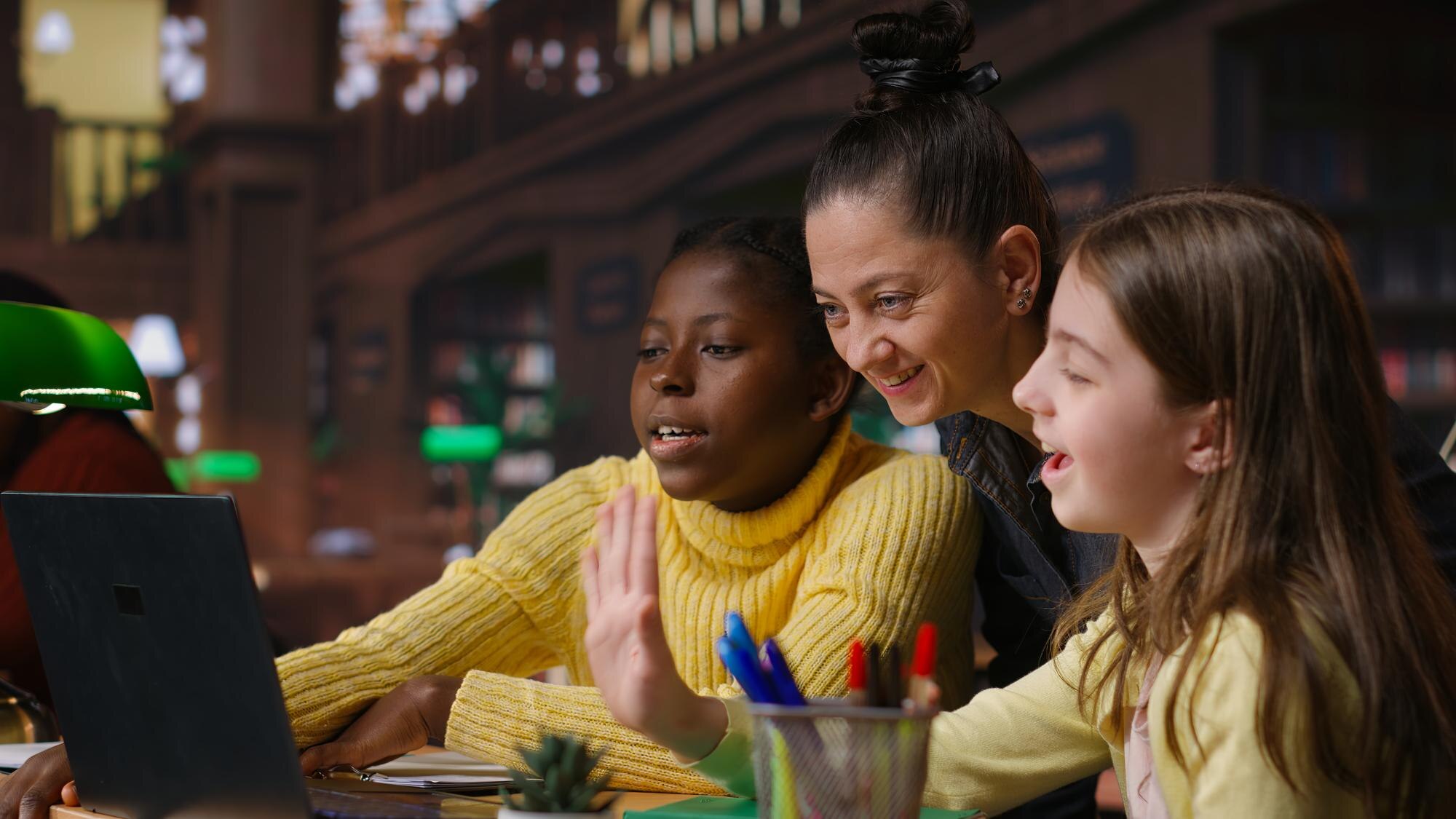
Equipping students with skills for tomorrow requires innovative approaches. Let’s explore strategies that foster future-ready learners.
Student Voice and Choice
Giving students a say in their learning journey fosters engagement and responsibility. Imagine a classroom where students help decide topics or projects. This choice empowers them and makes learning relevant. For instance, allowing students to choose their research topic can lead to more in-depth exploration and enthusiasm.
Upcoming Section Tease: Discover how using different modes of learning can further enhance engagement.
Multimodal Learning Approaches
Multimodal learning involves using various methods to teach a concept, like videos, hands-on activities, and discussions. This approach caters to different learning styles and keeps students engaged. For example, a history lesson might include watching a documentary, creating a timeline, and group debates. This variety ensures that each student can connect with the material in a way that suits them best.
Explore more about inclusive and diverse instruction practices here.
Project-Based Learning UK
Project-based learning (PBL) in the UK context focuses on real-world problems and solutions. Students work on projects that require critical thinking and collaboration. A teacher might have students design a sustainable garden, integrating science, maths, and geography. This hands-on approach not only teaches content but also skills like teamwork and problem-solving.
Quick Tip: Start with small projects to build confidence and gradually tackle more complex challenges.
Enhancing Engagement and Agency
To truly engage students, we must focus on building their sense of agency. Let’s explore how to achieve this.
Assessment for Learning Techniques
Assessments shouldn’t just test knowledge; they should guide learning. Techniques like peer reviews or self-assessments help students understand their progress and areas for improvement. These methods encourage reflection and ownership of learning. For example, using rubrics for self-assessment helps students identify strengths and set goals for the next steps.
Key Insight: Assessment is a tool for growth, not just a measure of success.
Metacognition Strategies for Growth
Metacognition involves thinking about one’s thinking. Teaching students to plan, monitor, and evaluate their learning can significantly enhance their growth. Simple strategies like reflection journals or class discussions about learning processes can make a big difference. Students who understand how they learn can adjust strategies to overcome challenges.
For further reading on active learning, consider this resource.
Cooperative Learning for Success
Cooperative learning involves students working together to achieve common goals. This method builds communication and teamwork skills. For instance, group projects or study teams encourage students to teach and learn from each other. It’s a powerful way to foster community and engagement in the classroom.
Mini-Payoff: Cooperative learning not only enhances academic skills but also builds social connections.
By embracing these inclusive teaching strategies, you can create a classroom that values diversity, fosters engagement, and prepares students for the future. Remember, small changes in your teaching practice can lead to significant impacts on student learning and agency.
