


 Paul Slowey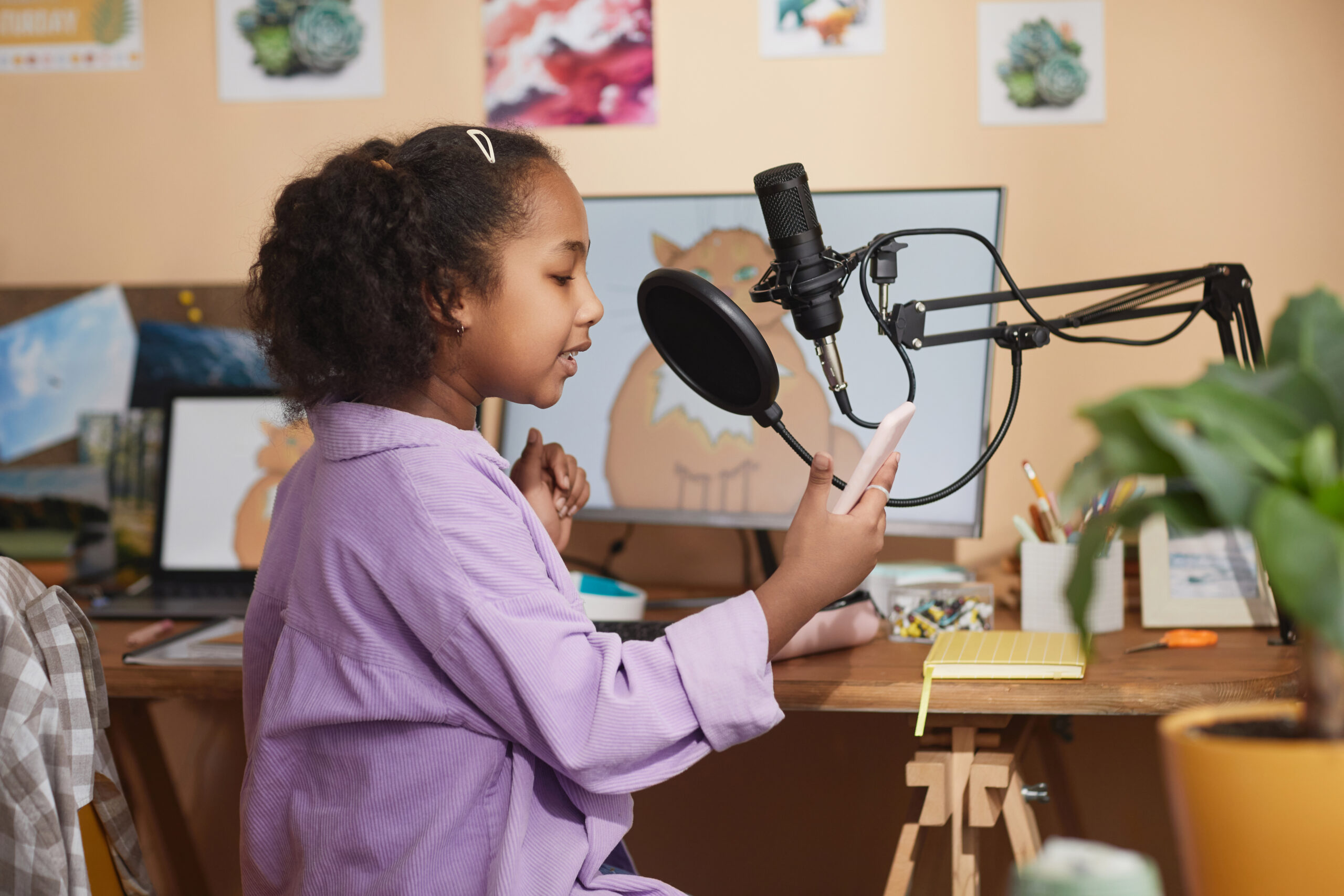
From Ideas to Airwaves: Practical Ways to Grow Student Creativity and Broadcast Their Voice
Most classrooms miss a simple chance: to let students share their ideas beyond the school walls. When students create podcasts, videos, or run school radio, they don’t just learn—they build confidence, agency, and sharper thinking skills. This post offers practical ways to spark student creativity and broadcasting in education with low-prep, high-impact strategies you can try tomorrow. Ready to see your classroom come alive with authentic student voice? Explore more ways to encourage creativity in students here.
Sparking Student Creativity
Let’s dive into a world where student ideas take flight. By engaging in creative projects, students discover new ways to express themselves and build essential skills.
Hands-on Creative Classroom Projects
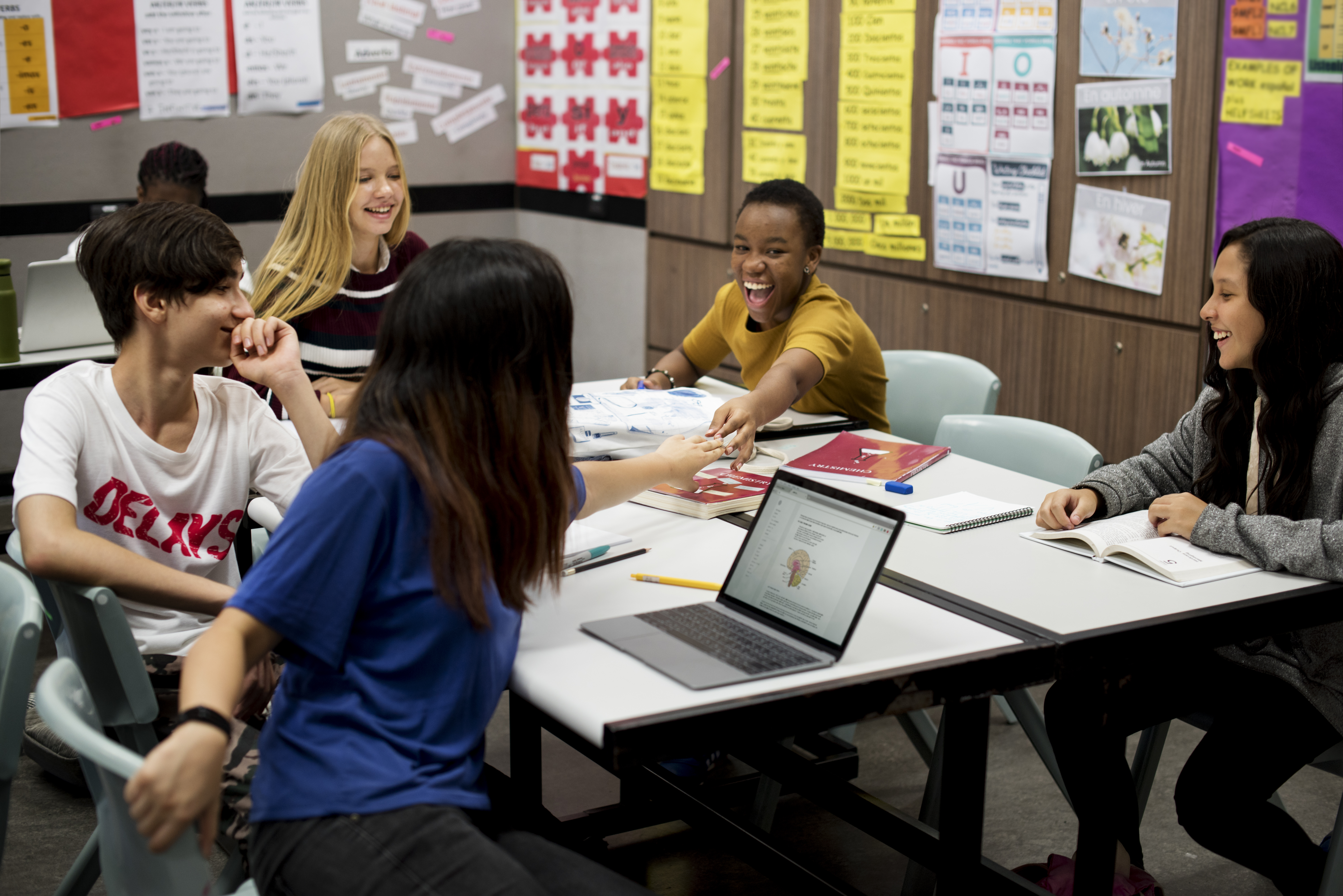
Imagine a classroom buzzing with excitement. Students work together on projects that challenge their creativity and spark curiosity. You can start by introducing short video projects or simple art tasks. These activities let students experiment with storytelling, giving them a voice to express their unique perspectives. As they get more comfortable, encourage them to take on more complex tasks like creating digital art or animations.
Involving students in planning and executing these projects ensures they feel ownership over their work. This approach instills a sense of pride and accomplishment. Moreover, these projects can be tied to real-world issues, making learning more relevant. Check out this resource for more ideas.
Simple Tech Setups for School Radio 📻
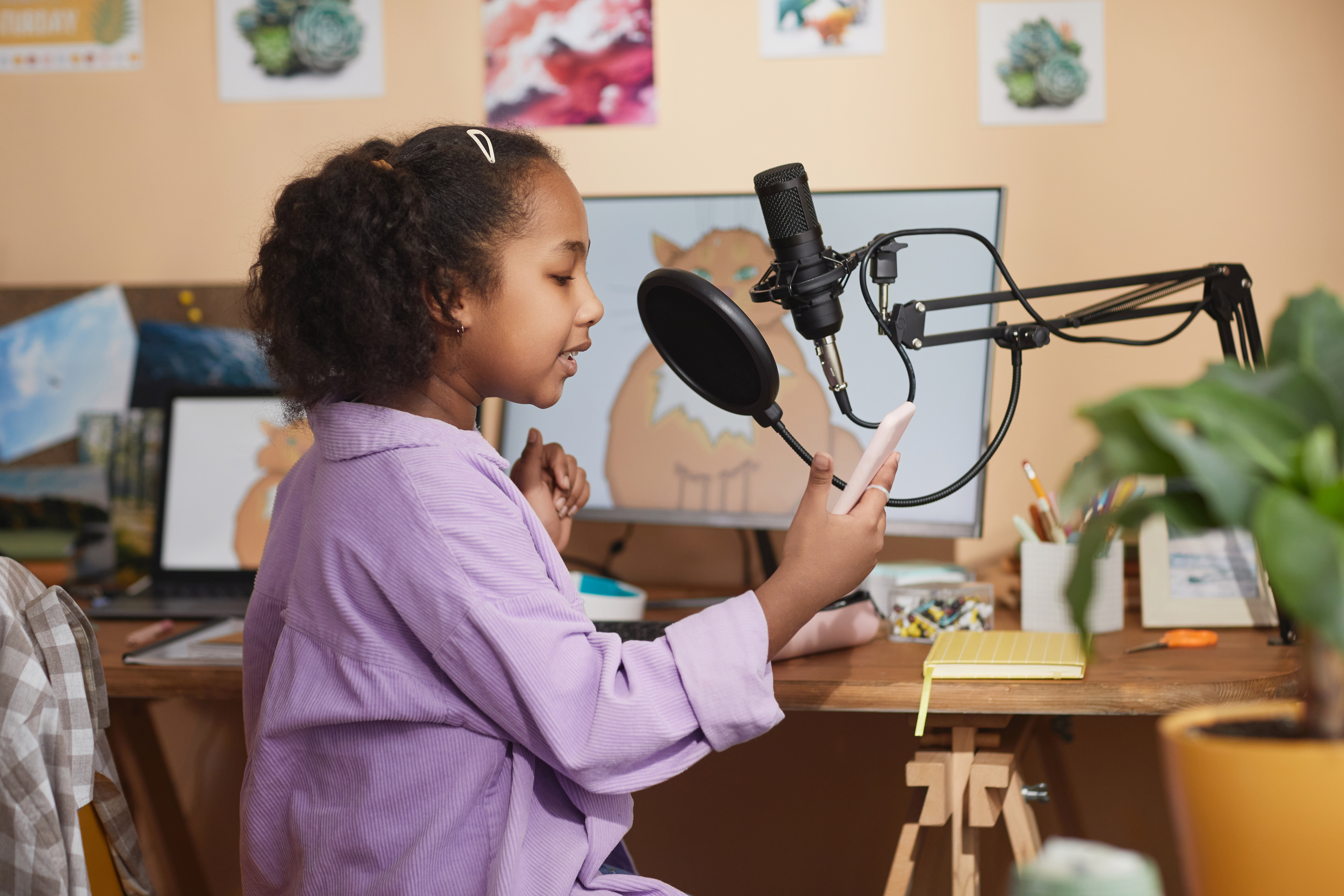
Starting a school radio might seem daunting, but with basic equipment, you can get rolling quickly. Begin with a computer, a quality microphone, and free recording software. This setup is enough to launch a simple yet effective school radio. Encourage students to brainstorm show ideas and create content that matters to them.
As they produce and host their shows, students develop confidence and improve their communication skills. School radio also helps them learn about media production and teamwork. Providing them with a platform to broadcast their voices fosters a sense of community and belonging.
Fostering Creative Confidence in Learners
Building creative confidence starts with creating a safe space for students to express themselves without fear of judgment. Encourage students to share their work and ideas with peers, fostering a culture of feedback and support. Highlighting their achievements, big or small, boosts their confidence and motivates them to explore further.
Invite guest speakers or showcase diverse creative works to inspire students. Exposure to various forms of creativity can ignite their imagination. Explore innovative approaches to inspire students here.
Broadcasting Student Voices
As students develop their creative skills, the next step is sharing their voices with authentic audiences. Broadcasting projects can be an exciting journey that combines creativity with valuable life skills.
Authentic Audiences and Media Literacy 🎙️
Broadcasting to real audiences transforms student projects from classroom exercises to meaningful experiences. Introduce students to platforms where they can share their work, such as school websites or community events. This exposure helps them understand the impact of their voice and the importance of media literacy.
Teaching media literacy is crucial. It equips students with the skills to critically assess information and understand media’s role in society. As they create content, they learn to communicate clearly and responsibly, skills that are vital in today’s world. Discover more ways to encourage student voice here.
School Podcasting and Pupil Agency
School podcasts are an excellent way for students to dive into topics they’re passionate about. Guide them in researching, scripting, and recording episodes. This process empowers students, giving them agency over their learning and the opportunity to explore subjects deeply.
Podcasting also enhances their storytelling abilities and helps develop technical skills. Encourage collaboration, allowing students to learn from each other. As they produce content, they gain confidence, knowing their voices are heard beyond the classroom walls.
Curriculum Relevance Through Digital Storytelling
Digital storytelling bridges the gap between curriculum and real-world application. By creating stories related to their studies, students see the relevance of what they learn. They can create multimedia projects that align with various subjects, from history to science.
This method not only enhances understanding but also taps into their creativity and critical thinking. Students learn to convey complex ideas in relatable ways, making learning more engaging and meaningful.
Future-Focused Teaching Strategies
To truly prepare students for the future, educators must adopt teaching strategies that foster higher-order thinking and wellbeing.
Project-Based Learning for Higher-Order Thinking 🧠
Project-based learning (PBL) encourages students to tackle challenging questions through in-depth exploration. By engaging with real-world problems, they develop critical thinking and problem-solving skills. PBL empowers students to take ownership of their learning, pushing them to think creatively and work collaboratively.
Integrating PBL into your teaching practice can transform the classroom into a dynamic learning environment. Students become active participants in their education, leading to more profound and lasting knowledge. Explore further strategies here.
Assessment for Learning and Wellbeing in Education
Traditional assessments often focus on grades over learning. Shifting to assessments that support learning and wellbeing allows for more meaningful feedback. Encourage self-assessment and reflection, helping students understand their strengths and areas for growth.
This approach not only enhances learning but also supports student wellbeing. By focusing on personal growth rather than competition, students develop resilience and a love for learning.
Practical Classroom Strategies for Teacher CPD
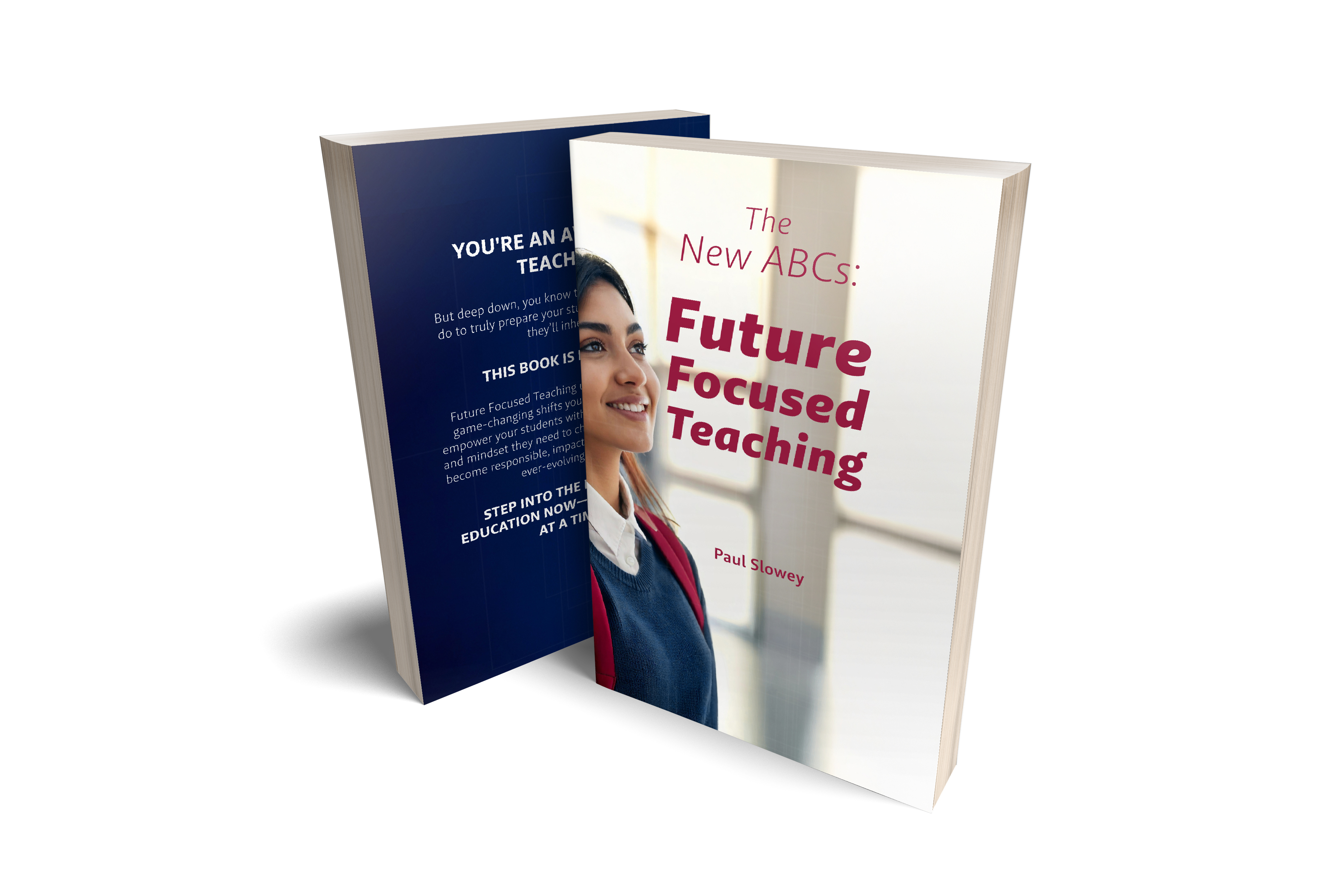
Continual professional development (CPD) is key to staying ahead in education. Engage with resources that offer practical strategies and innovative ideas, like the Teach for Tomorrow series. These materials provide insights into future-focused teaching and help educators create impactful learning experiences.
Join a community of educators who share your passion for transformation. Together, you can exchange ideas and support each other in building classrooms that inspire and empower students.
By implementing these strategies, you’re not just teaching—you’re shaping future-ready individuals who are creative, confident, and capable of making a difference.
