


 Paul Slowey
Seven Ways Project‑Based Learning Sparks Student Engagement (and Real‑World Thinking)
Project-based learning in secondary schools changes the way students connect with their studies. When your students take charge through real-world learning, engagement rises and higher-order thinking skills come alive. This post shares seven practical ways PBL sparks student agency and creativity, with tools from Teach for Tomorrow to help you bring these ideas into your classroom right away. Ready to see how student voice and choice can transform your teaching? Learn more about the benefits of project-based learning here.
Igniting Student Engagement

Bringing project-based learning into your classroom is like turning on a light switch for engagement. Students are more than just passive listeners; they become active participants in their own education.
Real-World Learning Benefits
Have you ever wondered how to make lessons more relevant? Project-based learning (PBL) connects classroom knowledge to the real world. When students work on projects, they see the direct application of what they learn. For example, a project on building a sustainable city requires maths, science, and social studies. It’s not just theory anymore; it’s real life. Studies show that PBL leads to better student outcomes because it makes learning meaningful (source: University of Michigan).
PBL also develops essential life skills. Students learn to manage time, collaborate, and communicate effectively. These are skills they’ll need in the workplace and beyond. The longer you wait to adopt PBL, the more your students miss out on these opportunities.
Voice and Choice in Projects
Does your classroom feel like a place of discovery? PBL gives students the chance to make choices in their learning journey. Imagine a class where students choose topics that interest them. This autonomy boosts motivation and engagement. Most people think students need strict guidance, but giving them choice leads to deeper learning.
Students learn best when they’re invested in the topic. Give them the freedom to explore and see their creativity soar. Empower them to find their voice and take ownership of their projects. This can transform your classroom into a hub of innovation.
Collaborative Learning Opportunities
Are your students working together effectively? PBL encourages teamwork and collaboration. When students tackle projects, they learn to rely on each other’s strengths. This builds a sense of community and belonging in the classroom. It’s not just about academic success; it’s about growing together.
Team projects teach students how to negotiate, solve conflicts, and make decisions as a group. These are skills that prepare them for future challenges. Encourage collaboration and watch your classroom dynamics evolve.
Cultivating Higher-Order Thinking

With engagement sparked, let’s explore how PBL fosters higher-order thinking skills, pushing students to think critically and creatively.
Enquiry-Based Learning Explained
Curious about how to promote critical thinking? Enquiry-based learning is a central part of PBL. It’s about asking questions and seeking answers. Instead of feeding students information, guide them to discover it themselves. This method challenges assumptions and encourages deep thinking.
Students learn to ask “why” and “how” rather than just “what.” This develops their analytical skills. They become problem-solvers who think outside the box. Encourage your students to become questioners and lifelong learners.
Authentic Assessment Techniques
Tired of traditional tests? Try authentic assessments as part of PBL. Instead of exams, use projects and presentations. This type of assessment reflects real-world tasks. It shows what students truly understand and can do.
Authentic assessments provide a clear picture of student progress. They help students self-reflect and understand their strengths and areas for growth. Consider integrating this approach into your teaching for more genuine evaluations.
Fostering Reflective Practice
How often do your students reflect on their learning? Reflective practice is essential in PBL. It encourages students to think about what they’ve learned and how they’ve learned it. This process deepens understanding and helps students connect ideas.
Reflection can be as simple as journaling or group discussions. It’s a chance for students to consider their learning journey. Fostering this habit encourages continuous growth and improvement.
Practical Strategies for Educators
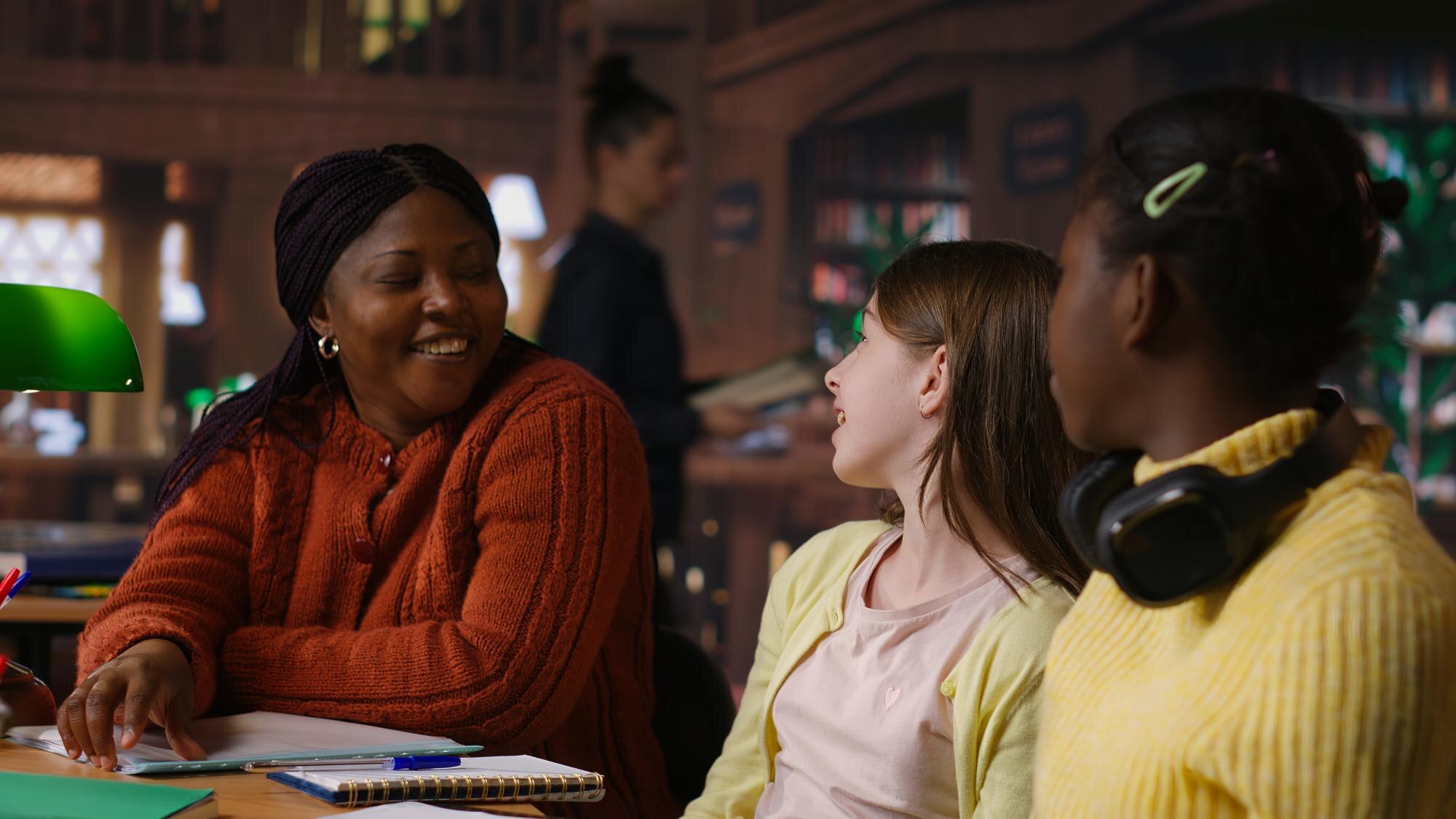
Now that you know the benefits of PBL, let’s look at strategies to implement it effectively in your teaching practice.
Teacher CPD and Resources
Feeling unsure about where to start with PBL? Continuous professional development (CPD) is crucial. Resources like Teach for Tomorrow’s YouTube channel offer guidance and inspiration. You’ll find tutorials, examples, and community support to help you grow.
Explore courses like “Higher Order Thinking Skills” to deepen your understanding of PBL. Equip yourself with the knowledge and confidence to bring these methods into your classroom.
Cross-Curricular Project Ideas
Looking for ways to integrate subjects? Cross-curricular projects are a hallmark of PBL. They allow students to make connections between different areas of study. For instance, a project on renewable energy can include science, geography, and economics.
These projects show students the interconnectedness of knowledge. They see how subjects relate and apply in the real world. Encourage collaboration between teachers to create rich, interdisciplinary experiences.
Tools for Future-Focused Teaching
Ready to equip your classroom for the future? Use tools and frameworks from Teach for Tomorrow’s 111 Protocols. These resources provide practical steps to implement PBL. They’re designed to be user-friendly and impactful.
Adopt these tools to create a future-focused learning environment. Help your students develop the skills they need for tomorrow’s world.
🌟🎓📚
By embracing project-based learning, you can transform your classroom into a dynamic space that engages students and cultivates essential skills. Don’t wait—start your PBL journey today. Equip your students to face real-world challenges with confidence and creativity.
