


 Paul Slowey
Personalised Learning in Secondary School: 10 Strategies You Can Use Tomorrow
Personalised learning in secondary school isn’t just a buzzword—it’s the key to unlocking real student agency and engagement right now. If your high school teaching feels stuck in one-size-fits-all routines, these 10 practical strategies will refresh your approach tomorrow. From learner profiles to flexible grouping, you’ll find quick-start steps designed for busy educators ready to make a difference today. Choose two strategies to trial this week and watch your classroom come alive. Read more here.
Strategies for Personalised Learning

Let’s dive into some practical methods to make learning more tailored for your students. These approaches are designed to be implemented quickly and effectively.
Learner Profiles for Secondary Schools
Consider creating learner profiles for your students. This tool helps in understanding their strengths, interests, and areas for growth. Start by asking students to fill out a simple questionnaire about what they enjoy and what challenges them. This information can guide how you tailor lessons to meet diverse needs. Think of it as a blueprint for engaging with each learner on a personal level.
Example: If a student loves art, incorporate drawing into their assignments. This small adjustment can significantly boost engagement and make learning more relevant. A detailed guide on learner profiles can be found at Marywood University.
Choice Pathways and Boards
Choice pathways give students some control over their learning. Design choice boards where students can pick tasks that appeal to their interests. This encourages autonomy and caters to different learning styles.
Steps:
-
Create a board with options related to the lesson topic.
-
Allow students to choose at least one activity from each section of the board.
-
Ensure activities vary in style, such as visual tasks, writing assignments, and hands-on projects.
This approach not only fosters independence but also keeps students engaged by allowing them to learn in ways that suit them best.
Mastery Learning Cycles
Mastery learning cycles focus on mastering one concept before moving to the next. This method ensures students fully understand a topic, which builds confidence and competence.
How it Works:
-
Introduce a concept with a brief lesson.
-
Give time for practice, followed by a short assessment.
-
Use results to group students for further targeted instruction.
This cycle repeats until students achieve mastery. It’s a dynamic approach that supports continuous learning and growth, providing ample opportunity for students to succeed at their own pace.
Enhancing Student Agency
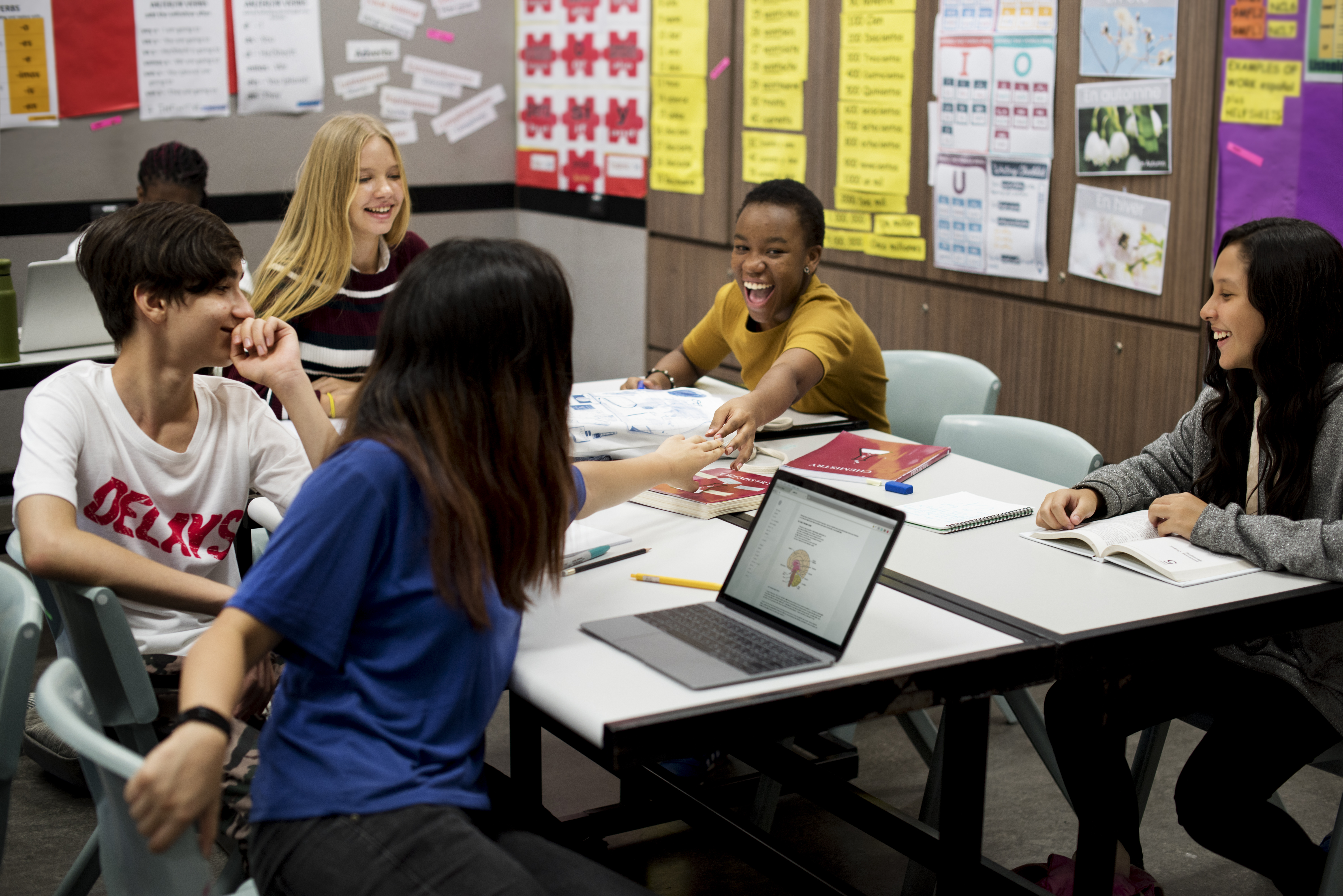
Empower your students to take charge of their learning journey. This section offers strategies that focus on student-driven goals and collaborative learning.
Co-Designed Goals and Self-Reflection
Start by setting co-designed goals with your students. This involves students in their own learning process and encourages them to take ownership. Have regular check-ins where students reflect on their progress and set new targets. This practice fosters a growth mindset and empowers learners to take control.
Reflective journals can be a simple way to start. Encourage students to jot down their thoughts on what they’ve learned and areas they wish to explore further. This reflection not only aids in personal growth but also enhances metacognitive skills.
Flexible Grouping Techniques
Use flexible grouping to adapt teaching to different needs. This strategy allows students to work with peers who share similar interests or learning goals. Group configurations can change based on the activity or learning objective, ensuring students have varied collaborative experiences.
Steps:
-
Use learner profiles to form initial groups.
-
Change groups regularly to mix dynamics and perspectives.
-
Monitor group interactions to ensure productive teamwork.
Flexible grouping keeps the classroom dynamic and inclusive, catering to various learning preferences and promoting social skills.
Project-Based Learning for Real-World Skills
Project-based learning (PBL) allows students to tackle real-world problems, making education more relevant and practical. Start by identifying a project that aligns with curriculum goals and student interests. Projects should encourage critical thinking, teamwork, and creativity.
For instance, a project on environmental conservation can include research, community outreach, and creative presentations. PBL not only makes learning engaging but also equips students with skills valuable beyond the classroom.
Future-Focused Teaching Resources
Looking ahead, it’s essential to equip students with tools and practices that prepare them for the future. Let’s explore some resources that can help.
Digital Portfolios for Student Growth
Encourage students to maintain digital portfolios to track their learning journey. A portfolio can include essays, projects, and reflections, providing a comprehensive overview of their academic progress. This tool not only showcases achievements but also highlights areas for improvement.
Digital portfolios foster a sense of accomplishment and motivate students to take pride in their work. Resources on setting up digital portfolios can be found at Edutopia.
Wellbeing Check-Ins in Schools
Regular wellbeing check-ins are crucial for maintaining a supportive learning environment. These check-ins can be as simple as a quick chat or a structured questionnaire, offering insights into students’ emotional and mental states.
Ensuring students feel heard and supported can significantly impact their overall engagement and success. Teachers can use this information to tailor support and resources, fostering a more inclusive classroom atmosphere.
Feedback Loops and Formative Assessment 🌱
Incorporate feedback loops into your teaching practice to enhance learning outcomes. Regular feedback helps students understand their progress and areas needing improvement. Formative assessments play a key role here, providing ongoing insights into student learning.
Example: Use quick quizzes or peer reviews to gather feedback. This continuous interaction not only supports learning but also encourages a culture of open communication and growth. For more on formative assessment, IES Southwest offers valuable insights.
By integrating these strategies, you can create a more personalised and engaging learning environment. Each approach is designed to promote student agency, cater to diverse needs, and prepare learners for the future. Embrace these methods today and watch your classroom transform into a vibrant hub of activity and growth.
