


 Paul Slowey
Build Tomorrow’s Classroom Today: Future‑Focused Teaching Methods that Work
Forget the old routines that leave students checked out and teachers drained. When you bring future-focused teaching into your classroom, you spark real pupil engagement and boost creativity in the curriculum. This isn’t theory—it’s practical, proven modern classroom strategies that build higher-order thinking skills and wellbeing in schools. Ready to see what this looks like in action? Let’s explore how you can start making a difference today. For more on innovative education methods, visit this link.
Future-Focused Teaching Essentials

Imagine stepping into a classroom buzzing with curiosity and excitement. This is the power of future-focused teaching—a realm where students thrive and teachers find renewed purpose.
Boosting Pupil Agency
You want your students to take charge of their learning, right? Boosting pupil agency means giving students a voice and a choice. Start by incorporating student-led discussions. Let them set the agenda for certain classes. When students feel heard, they engage more deeply.
Try using real-world problems as class projects. This hooks them right away. For instance, a project on local environmental issues encourages research, debate, and solutions. Students learn better when they see the value in what they’re doing.
Creativity in the Curriculum
Unlock the creative potential in your classroom. Creativity isn’t just for art class; it’s essential for all subjects. Introduce storytelling in science or history lessons. This helps students connect facts with narratives, making learning memorable.
Challenge assumptions by asking students, “What if?” This simple question can lead to amazing discoveries. For example, “What if we lived in a world without electricity?” encourages innovative thinking.
Enhancing Wellbeing in Schools
Imagine a school where students and teachers look forward to each day. Wellbeing is crucial for a healthy learning environment. Start with simple mindfulness exercises. Five minutes of deep breathing can transform the energy of a classroom.
Create a space for students to express their feelings. It promotes a supportive atmosphere and builds resilience. Remember, happy students are productive students.
Practical Strategies for Modern Classrooms
With a foundation in place, let’s delve into strategies that bring these ideas to life. Explore more innovative teaching methods here.
Inquiry and Project-Based Learning
Inquiry-based learning is all about questions. Encourage students to ask and explore. It’s not about having all the answers. It’s about the journey of finding them. Use project-based learning to deepen this approach.
For example, assign a project on how technology affects daily life. Let students research, create presentations, and even propose new tech ideas. This integrates real-world learning and hones critical thinking.
Cross-Curricular Projects
Why keep subjects separate when they can complement each other? Cross-curricular projects blend disciplines for richer understanding. Combine maths and art by exploring geometric shapes in famous paintings.
Or link history and literature by studying the historical context of a novel. These projects show students the interconnectedness of knowledge. For more engaging teaching strategies, visit this resource.
Assessment for Learning Techniques
Assessments shouldn’t just measure learning—they should enhance it. Use formative assessments to guide and improve learning. Try peer reviews, where students give feedback on each other’s work.
Incorporate self-assessment, letting students reflect on their progress. This builds metacognition, helping them understand their learning process. These techniques foster growth and accountability.
Tools for Teacher Professional Development
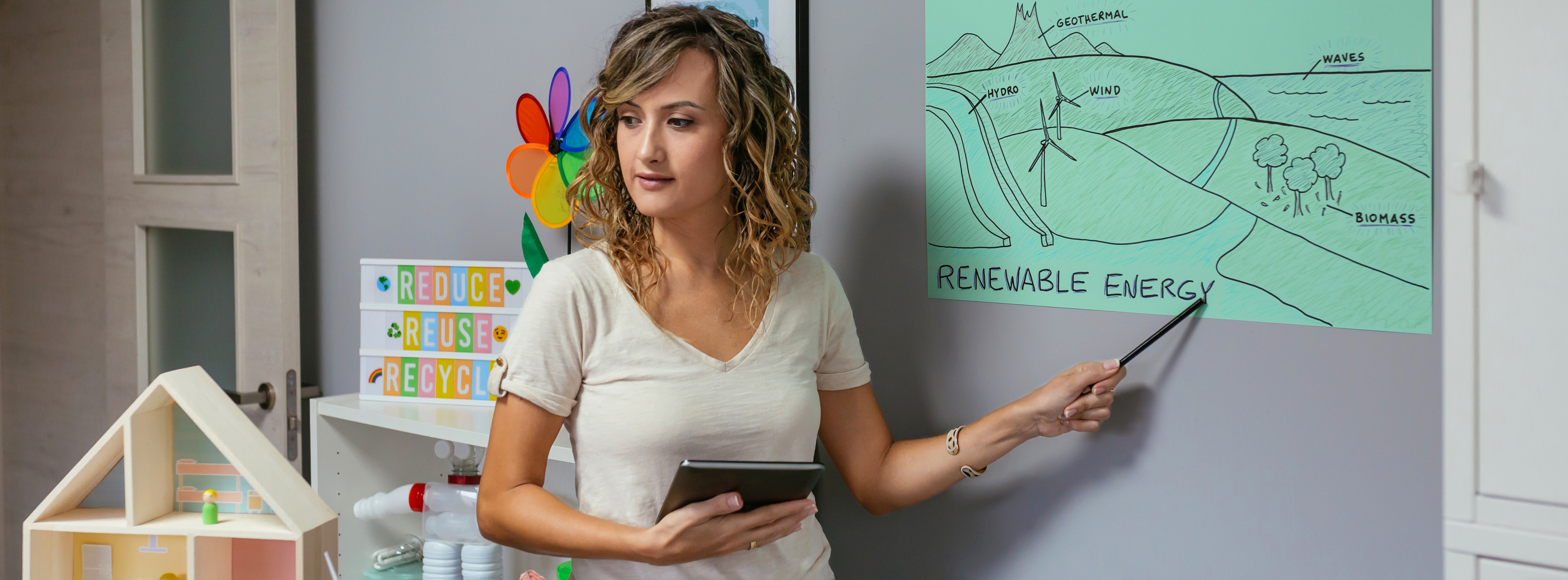
Arming teachers with the right tools transforms classrooms. Learn about innovative teaching strategies here.
Classroom Protocols and Edtech
Protocols create structure, while edtech opens doors. Establish clear classroom routines to foster independence and security. Introduce edtech tools that facilitate collaboration and creativity.
For example, use online platforms for group projects, allowing students to collaborate beyond the classroom. This prepares them for future workplaces.
Building Future-Ready Skills
Today’s students need skills that last a lifetime. Focus on communication and oracy. These are crucial in the digital age. Implement activities like debates and presentations to sharpen these skills.
Students also need to think critically and adapt. Encourage problem-solving activities that require creative solutions. These exercises prepare them for any challenge.
Metacognition and Higher-Order Thinking Skills (HOTS)
Metacognition is the key to lifelong learning. Teach students to think about their thinking. Use reflection journals to encourage this practice.
Integrate higher-order thinking skills across subjects. Challenge students to analyse, evaluate, and create. This prepares them for complex real-world problems.
The longer you wait, the more you miss out on transforming your classroom. Start incorporating these strategies today and witness the change. For deeper practice, explore Teach for Tomorrow’s resources and courses. You’ll find inspiration and practical tools to build a future-focused classroom.
