


 Paul Slowey
Building Student Resilience: Practical, Future‑Focused Strategies for Every Classroom
Building resilience in students is more than a buzzword—it’s a classroom essential that shapes how young people handle challenges today and tomorrow. You’re looking for student resilience strategies that actually fit into your already busy schedule and boost agency, self-management, and wellbeing. This post shares practical, future-focused teaching approaches that turn resilience from an abstract goal into everyday classroom habits you can start using now. Let’s explore how to create a positive classroom culture where every learner grows stronger. For more insights, check out this guide.
Building Resilience in Students
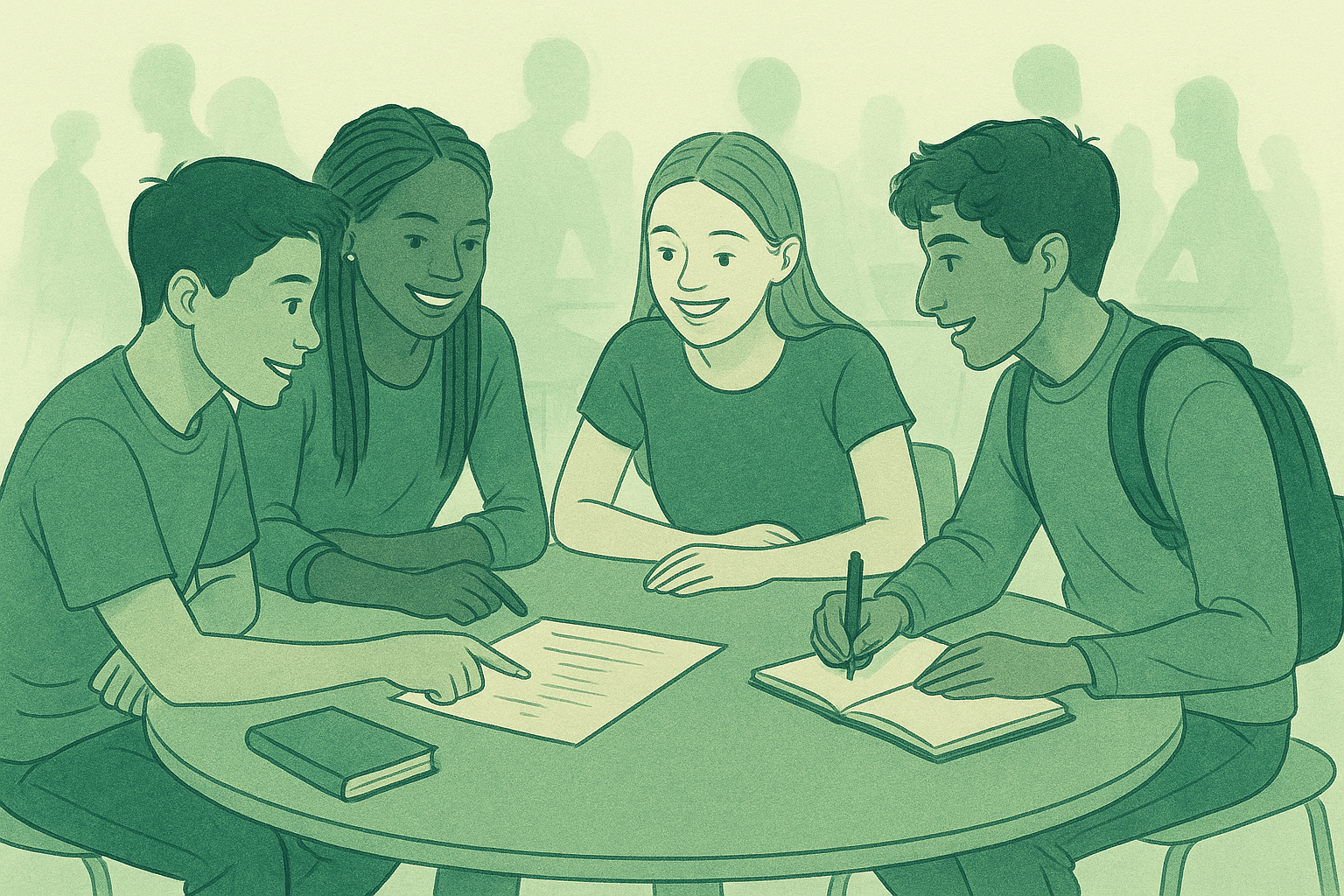
Resilience isn’t just about bouncing back—it’s about thriving in the face of challenges. Let’s dive into practical methods that can help you nurture resilience in your students.
Practical Strategies for Student Resilience
Creating resilient students begins with simple, actionable steps in the classroom. You can start by establishing a safe environment where students feel valued. Build this foundation by:
-
Encouraging open dialogue about emotions and challenges.
-
Offering consistent support and positive reinforcement.
-
Engaging students in collaborative problem-solving activities.
These strategies can turn your classroom into a space where students learn to face difficulties with a growth mindset. For more ideas, explore Edutopia’s strategies.
Enhancing Student Agency and Self-Management
Empowering students to take charge of their learning journey enhances resilience. Begin by allowing them choices in their learning process. For instance:
-
Use self-assessment tools to help them track their progress.
-
Introduce goal-setting exercises that focus on personal growth.
By fostering a sense of ownership, you help students develop the confidence to manage their learning and emotions, which is essential for resilience. This resource offers further reading on enhancing student agency.
Future-Focused Teaching Techniques

Looking ahead, how can we equip our students with the skills they need to thrive? Future-focused teaching is the key, and it starts with metacognition and growth mindset activities.
Metacognition in the Classroom
Teaching students to think about their thinking (metacognition) is a game-changer. It encourages self-awareness and strategic thinking. Here’s how you can incorporate it:
-
Reflective Journals: Encourage students to reflect on their learning process and identify areas for improvement.
-
Think-Alouds: Demonstrate how to break down complex tasks into manageable steps.
These practices can help students become more independent and resilient learners. Discover more on how metacognition can transform your classroom here.
Growth Mindset Activities for All
A growth mindset can transform how students perceive challenges. Encourage this by:
-
Celebrating effort and progress, not just results.
-
Sharing stories of perseverance from diverse role models.
These activities help students see setbacks as opportunities to learn and grow. Most people believe intelligence is fixed, but embracing a growth mindset can shift this perspective. Ready Education provides additional insights into fostering a growth mindset.
Resources for Classroom Wellbeing
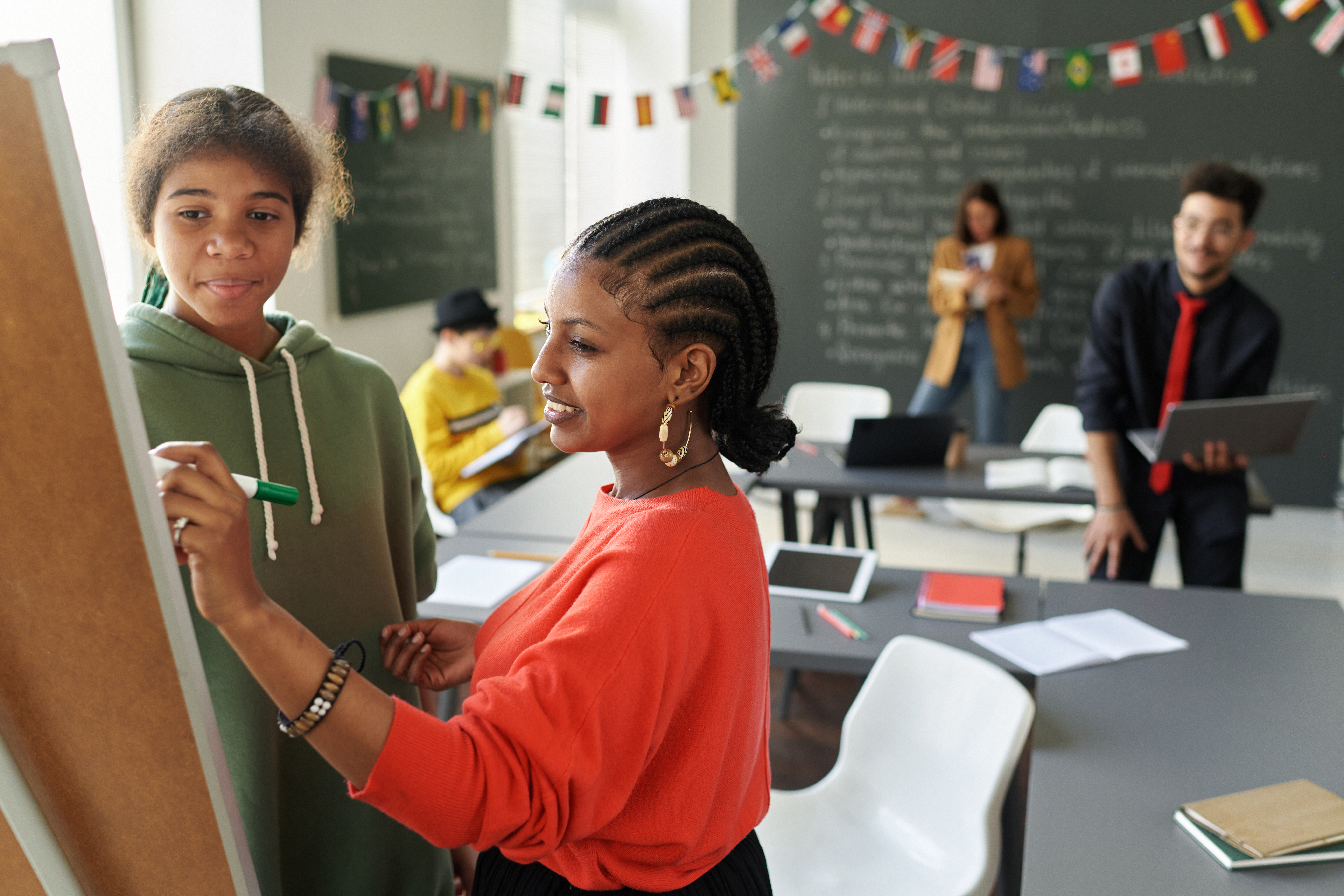
Focusing on wellbeing is crucial for cultivating resilience. Let’s explore two effective strategies that can support your classroom environment.
Implementing Reflective Learning Protocols
Reflective learning protocols encourage students to think deeply about their experiences. Try incorporating:
-
End-of-week reflections: Ask students to reflect on their successes and challenges.
-
Peer feedback sessions: Facilitate constructive feedback among students.
Such practices promote self-awareness and empathy, key components of resilience. By shifting the focus to reflection, you encourage students to take charge of their learning journey.
Tutor Time and PSHE Resilience Activities
Maximise tutor time and PSHE sessions with targeted activities that build resilience. Consider:
-
Mindfulness exercises to enhance focus and calm.
-
Role-playing scenarios to practice social skills and problem-solving.
These activities provide students with tools to manage stress and build strong relationships, contributing to overall resilience. For more ideas, check out our resources.
By implementing these strategies, you equip your students with the resilience they need to thrive both inside and outside the classroom. The longer you wait to integrate these approaches, the more challenging it becomes to shift mindsets. Start today, and watch your students flourish in ways you never imagined.
