


 Paul Slowey
Global Citizenship Education Essentials: Practical Ways to Build World‑Ready Learners
Global citizenship education isn’t just a buzzword—it’s the key to shaping learners ready for our complex world. You know your students need more than facts; they need real skills like intercultural competence, ethical digital citizenship, and student agency. In this post, you’ll find five practical essentials paired with ready-to-use strategies to bring future-focused teaching into your classroom tomorrow. Let’s spark creativity, deepen learning, and build the confident, connected learners our world deserves. For more insights, you can explore this guide.
Essentials of Global Citizenship Education
These essentials provide the building blocks for a new way of teaching, where students aren’t just memorizing facts but engaging with the world in meaningful ways.
Identity and Empathy in Learning
Imagine a classroom where every student feels seen and heard. That’s the power of focusing on identity and empathy. When you encourage students to share their stories, they begin to understand each other better. This understanding fosters a sense of belonging and respect. It’s not just about who they are but who they’re becoming.
Think about facilitating activities where students can explore their backgrounds. A simple storytelling circle can work wonders. You might ask them to create a personal crest, sharing symbols that represent their values and aspirations. These little acts open the door to empathy. Most people think students only learn through books, but experiences leave a lasting impact.
Intercultural Competence and Communication
We live in a diverse world. Teaching students to communicate across cultures is crucial. It involves more than just language skills. It’s about understanding perspectives and building bridges. Encourage them to practice active listening and ask questions about different traditions.
Role-playing games can be a fun way to introduce this. Have students simulate negotiations or debates from the viewpoint of different cultures. It’s a great exercise in perspective-taking. Imagine the confidence they gain as they navigate these complexities. The longer you wait to introduce these skills, the more opportunities you’ll miss to prepare them for a global future.
Explore this teacher’s guide to deepen your strategies.
Ethical Digital Citizenship Practices
In today’s digital age, it’s vital to teach ethical digital citizenship. This isn’t just about using technology efficiently. It’s about using it responsibly. Students should understand their digital footprint and the impact of their online actions.
Consider having a class discussion on the consequences of cyberbullying and the importance of privacy settings. Create scenarios where they must decide the best course of action when faced with ethical dilemmas online. By integrating these practices, you ensure they become responsible digital citizens. Here’s the key insight: ethical digital practices start in the classroom but echo throughout life.
Check out this resource for more guidance.
Future-Focused Classroom Strategies
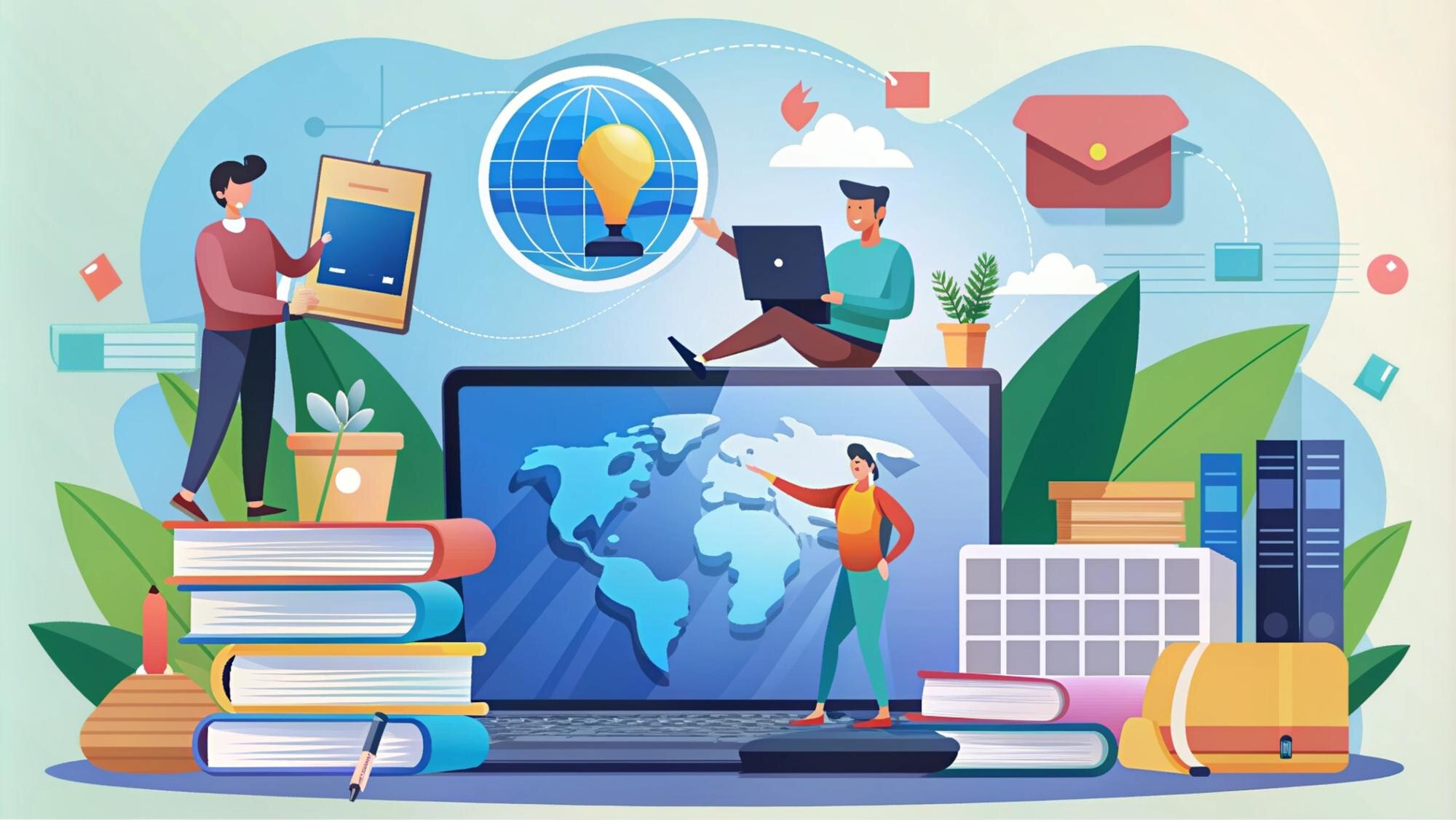
Now that we’ve explored the essentials, let’s look at strategies you can implement to foster these skills in your classroom.
Project-Based and Service Learning
Project-based learning (PBL) and service learning put theory into practice. They’re about solving real-world problems. When students see the impact of their work, it boosts their passion for learning and helps them develop student agency.
Try involving them in a local community project. Whether it’s creating a garden or organising a charity event, these projects teach responsibility and teamwork. Students learn that their efforts matter, driving home the lesson that they can make a difference.
Higher-Order Thinking Skills
Higher-order thinking skills are crucial for understanding complex concepts. Encouraging students to analyse, evaluate, and create helps them think critically. This goes beyond rote memorization to developing skills that are applicable in various scenarios.
Introduce classroom protocols like Socratic seminars. Ask open-ended questions that require deep thought and discussion. This approach not only enhances their reasoning skills but also prepares them for future challenges. Remember, real-world learning isn’t just about what they know but how they use that knowledge.
Creativity and Wellbeing in Schools 🌍
Creativity and wellbeing go hand in hand in fostering a nurturing educational environment. Encourage students to express themselves through art, music, or writing. These activities can do wonders for mental health and creativity in the classroom.
Organize “Creativity Days” where students can showcase their talents. It’s a fantastic way to build confidence and foster a sense of community. Most people think academic success is all that matters, but wellbeing is the foundation for all learning.
For a comprehensive understanding, check out this resource.
Tools for Teacher Professional Development
Equipping yourself with the right tools is essential for implementing these strategies effectively.
New ABCs and Future-Focused Workbooks
Our New ABCs and workbooks are designed to inspire and guide you. They’re packed with real activities that you can implement in your classroom tomorrow. These resources simplify complex ideas, making them accessible and actionable.
9 Steps Framework and HOTS Course
Dive into the 9 Steps Framework and HOTS Course to deepen your understanding of future-focused teaching. These courses offer practical insights into building human-centred classrooms that foster global competence.
Engage with Teach for Tomorrow Resources 📚
Join our growing community of educators committed to transformative education. Our resources, from books to online courses, provide the support you need to bring positive change to your classroom.
As you explore these tools, remember that every small step you take contributes to a larger movement of change. The future of education is bright, and you’re at the forefront of this transformation. It’s time to inspire better teaching, deeper learning, and hopeful futures.
