


 Paul Slowey
Building Resilience: Equipping Students for Tomorrow’s Challenges
Building student resilience is no longer just a nice-to-have; it’s essential for preparing young minds to adapt and thrive. Too many classrooms still miss the mark on teaching strategies that truly nurture confidence and grit. In this post, you’ll find practical insights and educational resources that help create classrooms where resilience grows naturally. Join our community of future-focused educators and explore tools designed to equip your students for whatever comes next. Read more about strategies for building student resilience.
Fostering Student Resilience

Creating Supportive Environments
Creating a supportive environment is the first step in fostering resilience in students. Such environments nurture growth by providing safety and encouragement. When students feel supported, they’re more likely to take risks and learn from mistakes.
You can start by building connections in the classroom. Students who feel a sense of belonging are more willing to engage. To foster these connections, encourage students to work together on projects. This not only boosts teamwork skills but also helps them build a network of peers they can rely on.
It’s also crucial to model resilience yourself. Share stories of overcoming challenges and encourage students to reflect on their own experiences. This shows them that setbacks are a natural part of learning and growth. Explore more ways to build a supportive classroom environment.
Strategies for Building Resilience
Once you’ve created a supportive environment, the next step is implementing strategies to boost resilience. By introducing practical approaches, you can help students develop the skills they need to face adversity head-on.
Start with goal-setting activities. Encourage students to set personal and academic goals, then guide them in creating actionable steps to achieve these goals. Celebrate small victories and reflect on setbacks to promote a growth mindset.
Another effective strategy is to incorporate problem-solving tasks. When students engage in activities that require critical thinking, they learn to navigate challenges. This builds confidence, teaching them that they can find solutions even in difficult situations. Discover more strategies to enhance student resilience.
Future-Focused Education Strategies

Engaging Learning Activities
Engaging learning activities are essential for preparing students for the future. These activities not only capture students’ interest but also help them acquire skills necessary for future success.
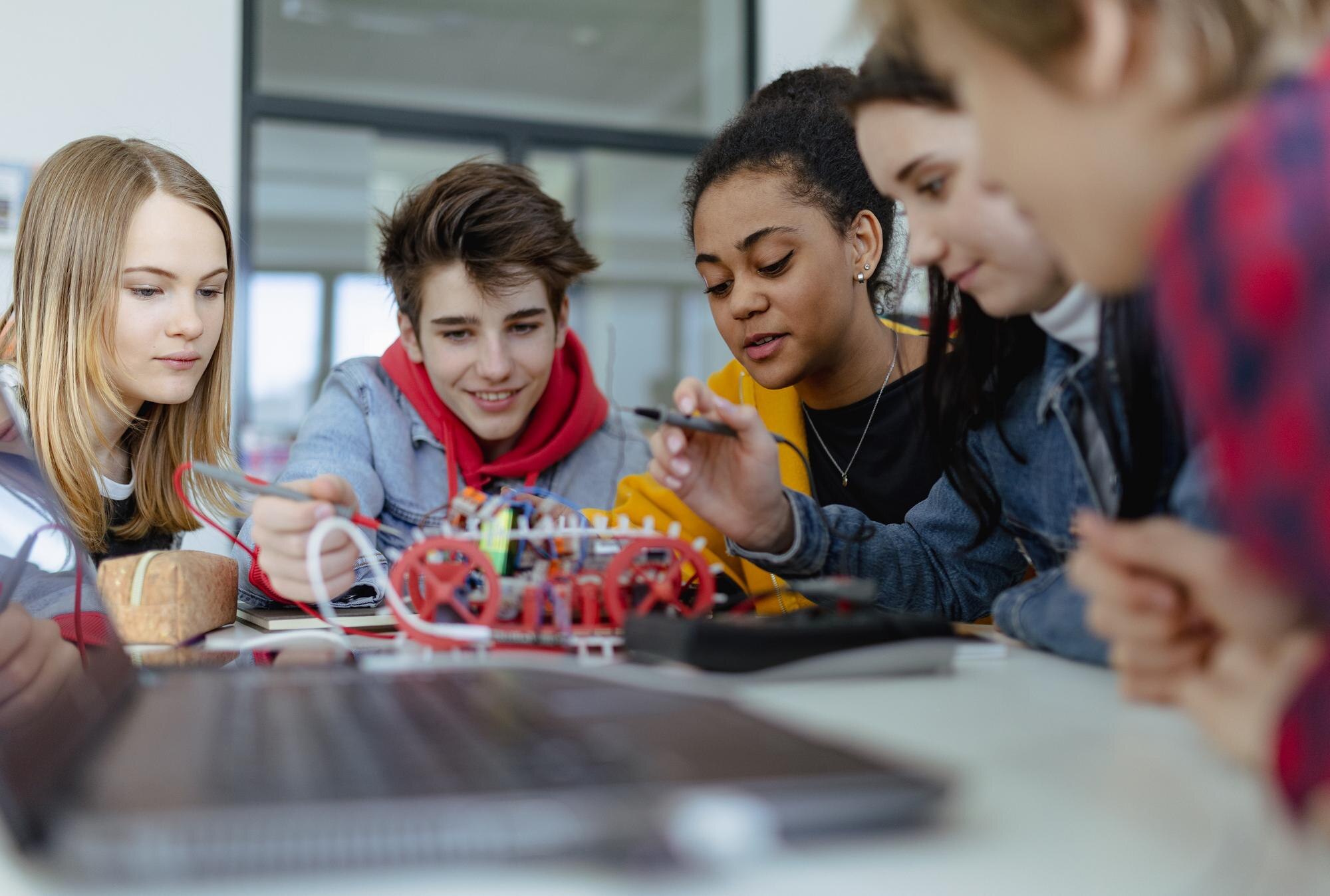
Project-based learning is a great starting point. This method encourages students to explore real-world problems, thereby enhancing their critical thinking skills. By working on projects that interest them, students learn to take initiative and responsibility for their learning.
Interactive technology can also play a significant role. Incorporate tools like virtual reality or online simulations to provide immersive learning experiences. These tools make lessons more engaging and relevant, preparing students for a tech-driven world. Learn more about engaging activities for future-focused education.
Developing Adaptability Skills
In a rapidly changing world, adaptability is key. Teaching students how to adapt prepares them for the unexpected and sets them up for lifelong success.
One way to develop these skills is through role-playing activities. These scenarios require students to think on their feet and react to different situations, thereby improving their adaptability. Encourage them to reflect on these experiences to deepen their understanding.
Mindfulness practices also aid adaptability. Activities like meditation or journaling help students manage stress and remain flexible in face of challenges. This builds their ability to adapt quickly and effectively to new situations. Explore more techniques to develop adaptability skills.
Classroom Innovation Techniques
Practical Teaching Strategies
Innovative teaching strategies can transform the classroom, making learning more effective and enjoyable. By adopting new methods, you can inspire students and enhance their educational experience.
Try incorporating flipped classrooms, where students access content at home and engage in activities at school. This approach allows for more interactive and hands-on learning, helping students apply their knowledge in practical ways.
Another technique is gamification. By integrating game elements into lessons, you make learning more engaging and fun. This not only motivates students but also helps them retain information better. Discover more practical teaching strategies for innovation.
Educational Resources for Teachers
Access to the right resources can empower teachers to implement innovative strategies effectively. These resources offer guidance and support, helping you create a dynamic learning environment.
Explore online platforms that provide a wealth of teaching materials. Websites like Edutopia and Teach for Tomorrow offer articles, videos, and lesson plans tailored to modern educational needs.
Consider joining educator forums and communities. These platforms allow you to share experiences, exchange ideas, and learn from others. Being part of a community can provide the ongoing support needed to innovate your teaching methods. Explore more educational resources for teachers.
🌟
