


 Paul Slowey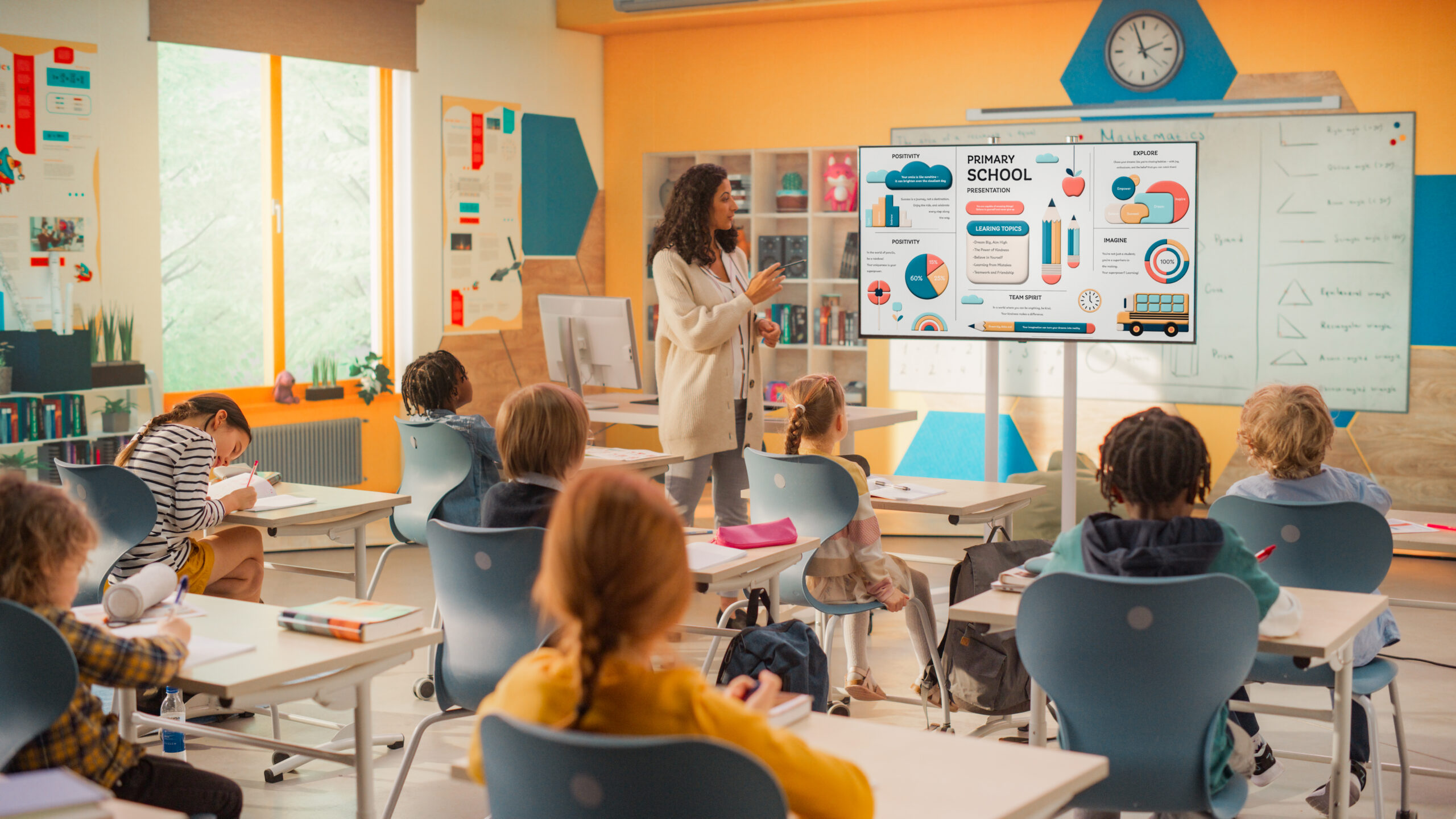
Unlocking Potential: Personalised Learning in Future-Focused Classrooms
Forget the one-size-fits-all approach to teaching—it no longer serves today’s classrooms. You’ve seen how traditional methods can leave many students behind, struggling to stay engaged or reach their potential. Personalised learning offers a fresh path, tailoring education to each learner’s needs while preparing them for a fast-changing world. Let’s explore how future-focused education can reshape your teaching and spark deeper student connection from day one. For more insights, check out this resource on personalised learning.
Personalised Learning in Action
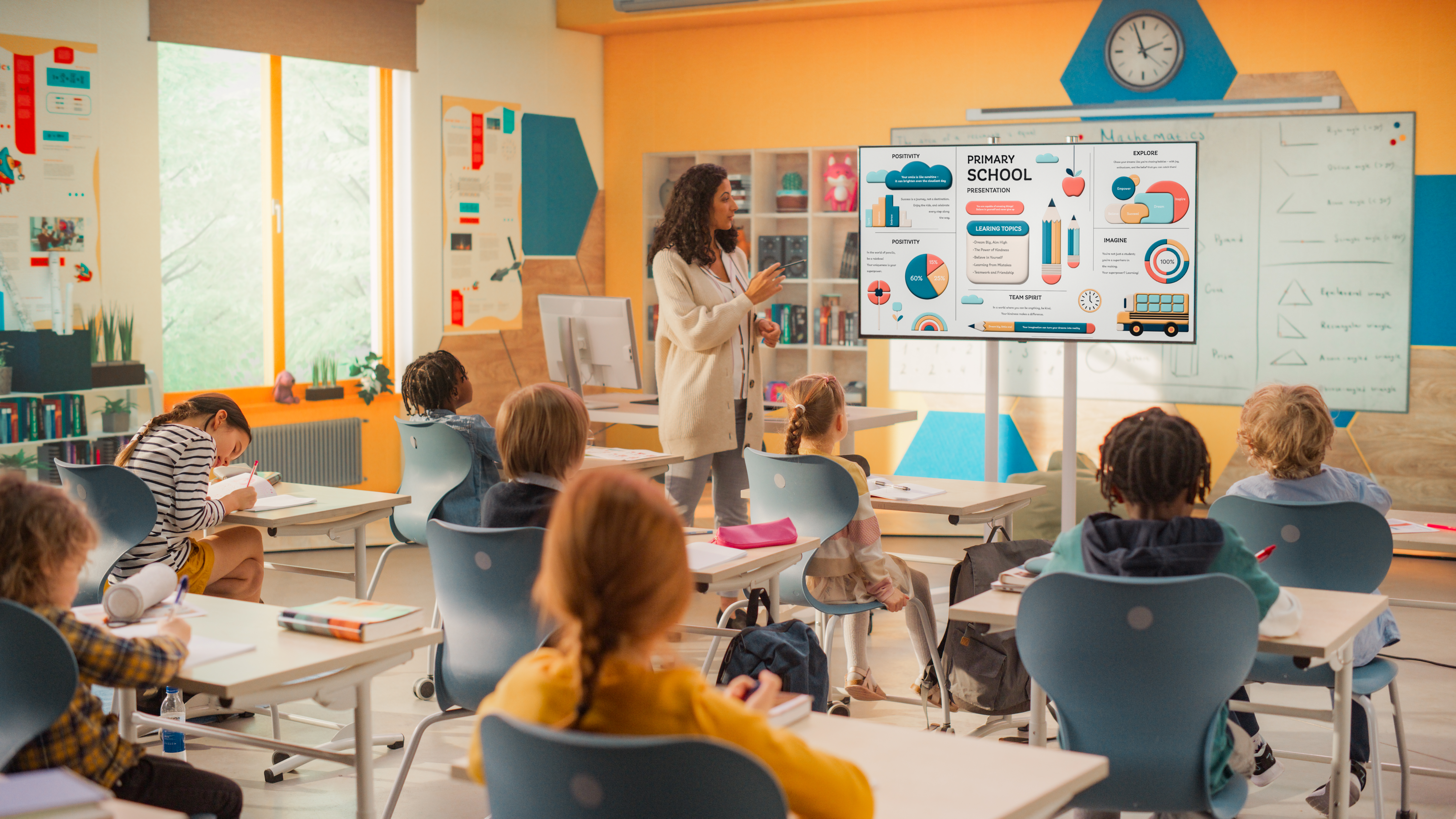
Imagine a classroom where every student feels seen and heard. Personalised learning makes this possible by adapting lessons to each learner’s unique needs. Let’s see how this approach brings education to life.
Tailoring Lessons to Students
When you tailor lessons, students feel valued. Start by identifying each student’s strengths and interests. Use this information to create lessons that resonate with them. Here’s how it works:
-
Observation: Spend time observing your students. Note what excites them or challenges they face.
-
Adaptation: Modify existing lesson plans to include elements that engage these interests.
This approach not only boosts understanding but also nurtures a love for learning. With personalised learning, students aren’t just passive recipients; they become active participants in their education.
Encouraging Engagement for All
Keeping students engaged is often a challenge. Personalised learning offers a solution by addressing individual needs. Consider incorporating various media formats like videos, podcasts, or interactive activities. These can cater to different learning styles:
-
Visual Learners: Use diagrams and infographics.
-
Auditory Learners: Include discussions and storytelling.
-
Kinesthetic Learners: Integrate hands-on activities.
This method makes learning more inclusive, ensuring no student is left behind. By promoting engagement, you’re also fostering a more dynamic and interactive classroom environment.
Fostering Future-Ready Skills
Preparing students for an uncertain future requires more than traditional teaching methods. Personalised learning equips students with critical skills. Focus on:
-
Problem-Solving: Encourage students to tackle real-world problems.
-
Collaboration: Foster teamwork through group projects.
-
Adaptability: Challenge them with scenarios that require flexible thinking.
These skills are essential in today’s ever-changing job market. By embedding them into your teaching, you’re not just educating students; you’re empowering them to thrive in the future.
Transforming Classroom Practices
To embrace personalised learning, a transformation in teaching practices is necessary. This shift from traditional methods to student-centred learning can revolutionise your classroom.
Shifting from Teacher-Centred to Student-Centred
Traditional classrooms often focus on teacher-led instruction. Personalised learning flips this model by placing students at the centre. Here’s how you can make this shift:
-
Student Choice: Allow students to choose topics that interest them for projects.
-
Flexible Seating: Create a classroom layout that encourages collaboration.
This change not only empowers students but also encourages them to take ownership of their learning. By fostering independence, you’re setting the stage for lifelong learning.
Encouraging Creative and Critical Thinking
Encouraging creativity and critical thinking is crucial in personalised learning. Provide opportunities for students to explore and question. Implement activities that promote these skills:
-
Brainstorming Sessions: Foster creativity by allowing students to generate ideas freely.
-
Debates: Encourage critical thinking through structured discussions.
By focusing on these skills, you’re helping students become innovative thinkers who can navigate complex situations with ease.
Building a Supportive Learning Community
A supportive learning community fosters growth and development. Encourage collaboration among students and create a safe space where everyone feels valued. Here are some steps:
-
Group Projects: Promote teamwork and communication.
-
Peer Feedback: Encourage students to give and receive constructive feedback.
Such practices build a classroom culture rooted in respect and understanding. Students learn to value diverse perspectives, preparing them for real-world interactions.
Resources for Future-Focused Education

Embracing personalised learning requires access to the right resources. Equip yourself with materials that support your journey towards future-focused education.
Exploring Workbooks and Online Courses
Workbooks and online courses offer practical guidance on implementing personalised learning. They provide structured approaches and innovative ideas to enhance your teaching. Explore options that align with your goals and teaching style.
Practical Steps for Personalised Learning
Implementing personalised learning doesn’t have to be daunting. Start with small, manageable steps:
-
Assess Needs: Conduct surveys to understand student preferences.
-
Set Goals: Establish clear learning objectives tailored to individual students.
-
Evaluate Progress: Use formative assessments to track growth.
These steps will help integrate personalised learning smoothly into your classroom, ensuring a positive impact on your students’ educational journey.
Join Our Community of Innovative Educators
Being part of a community can provide invaluable support. Connect with fellow educators who are also on this transformative journey. Share experiences, exchange ideas, and learn from others’ successes and challenges. Together, we can create a brighter future for education.
🌟
In conclusion, personalised learning is a powerful tool that can transform your teaching and inspire students. By tailoring lessons, fostering engagement, and preparing students with future-ready skills, you’re not just educating; you’re empowering the next generation. Explore resources and join our community to continue this exciting journey towards innovative education.
