


Bridging Theory and the Real World with Project‑Based Learning
Project-based learning that links classroom theory with real-life challenges fosters creativity, critical thinking, and student agency. Integrating interdisciplinary projects, authentic assessments, collaboration, and community partnerships prepares students and supports educators for future-focused education.

From Classroom to Community: Project‑Based Learning with Real‑World Purpose
Project-based learning linked to real-world problems boosts student engagement, agency, and higher-order thinking. Authentic community partnerships, global citizenship, creativity, and cross-curricular projects prepare students for future success.

Future‑Focused Teaching: Practical Strategies for Secondary Classrooms
Future-focused teaching in secondary classrooms emphasizes creativity, student agency, wellbeing, higher-order thinking, interdisciplinary learning, real-world applications, personalized instruction, digital literacy, and authentic assessment to prepare students for future success.
From Worksheets to Wonder: Weaving Creativity and Enquiry Through Your Curriculum
This guide emphasizes integrating creativity and enquiry-based learning into curricula to boost student engagement, agency, critical thinking, and real-world problem-solving through practical, cross-curricular projects and future-focused strategies.
Ethical Education: The Heart of Future-Focused Schools
Ethical education fosters student agency, empathy, and sound judgement through values-led teaching, practical low-prep strategies, real-world learning, and ongoing professional development resources.
Future-Focused Teaching: Practical Methods for Modern Classrooms
Future-focused teaching integrates creativity, student agency, wellbeing, higher-order thinking, real-world tasks, and project-based learning, supported by professional development and global educator networks.

From Setback to Comeback: Building Student Resilience for Future Success
This guide advocates embedding student agency, wellbeing, higher-order thinking, and real-world learning to build resilience, independence, and a growth mindset for future-ready classrooms.
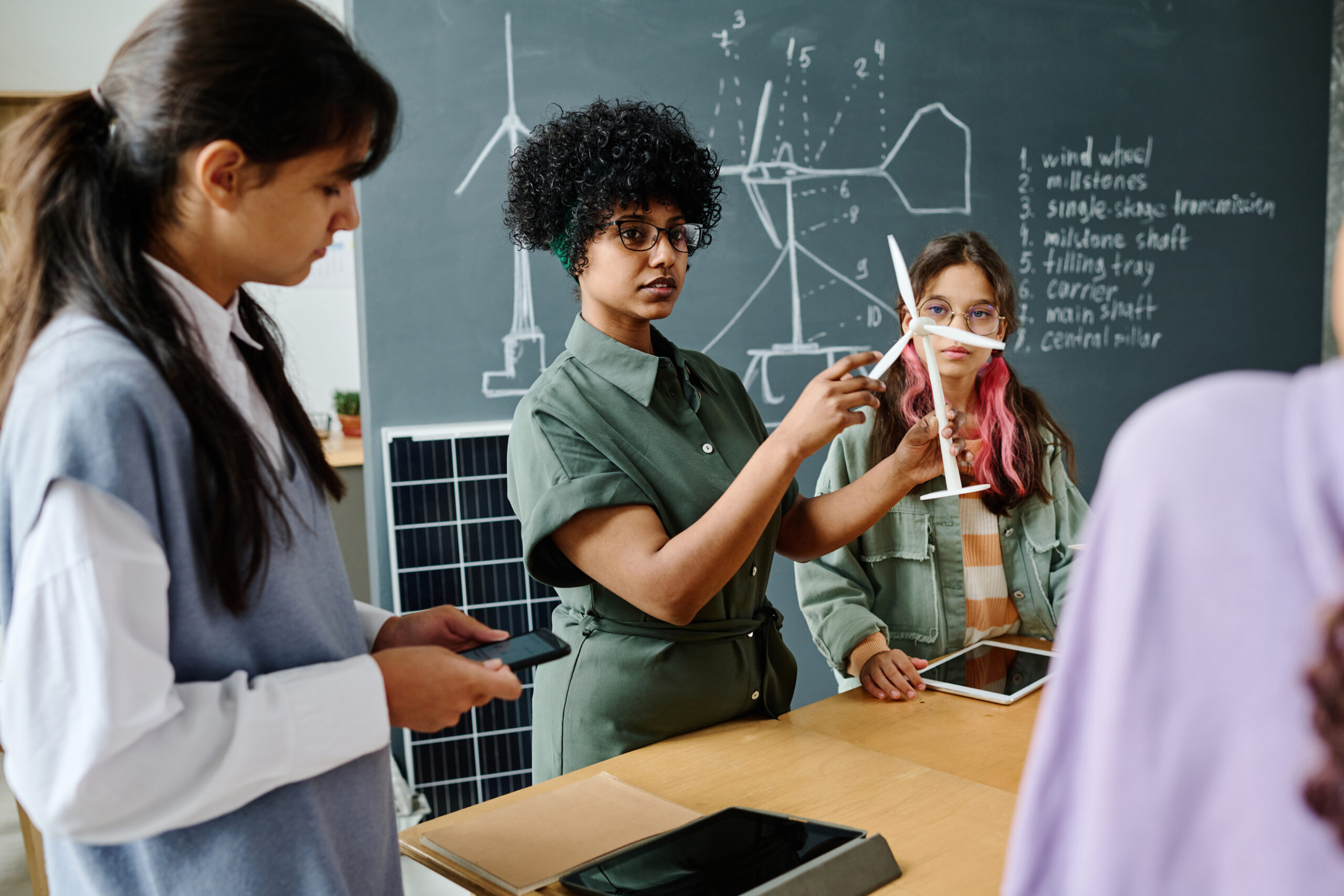
From Empathy to Impact: A Practical Guide to Design Thinking in Your Classroom
Design thinking in education fosters engagement through empathy interviews, journey mapping, framing “How Might We” questions, student agency, and rapid prototyping, building real-world problem-solving skills.
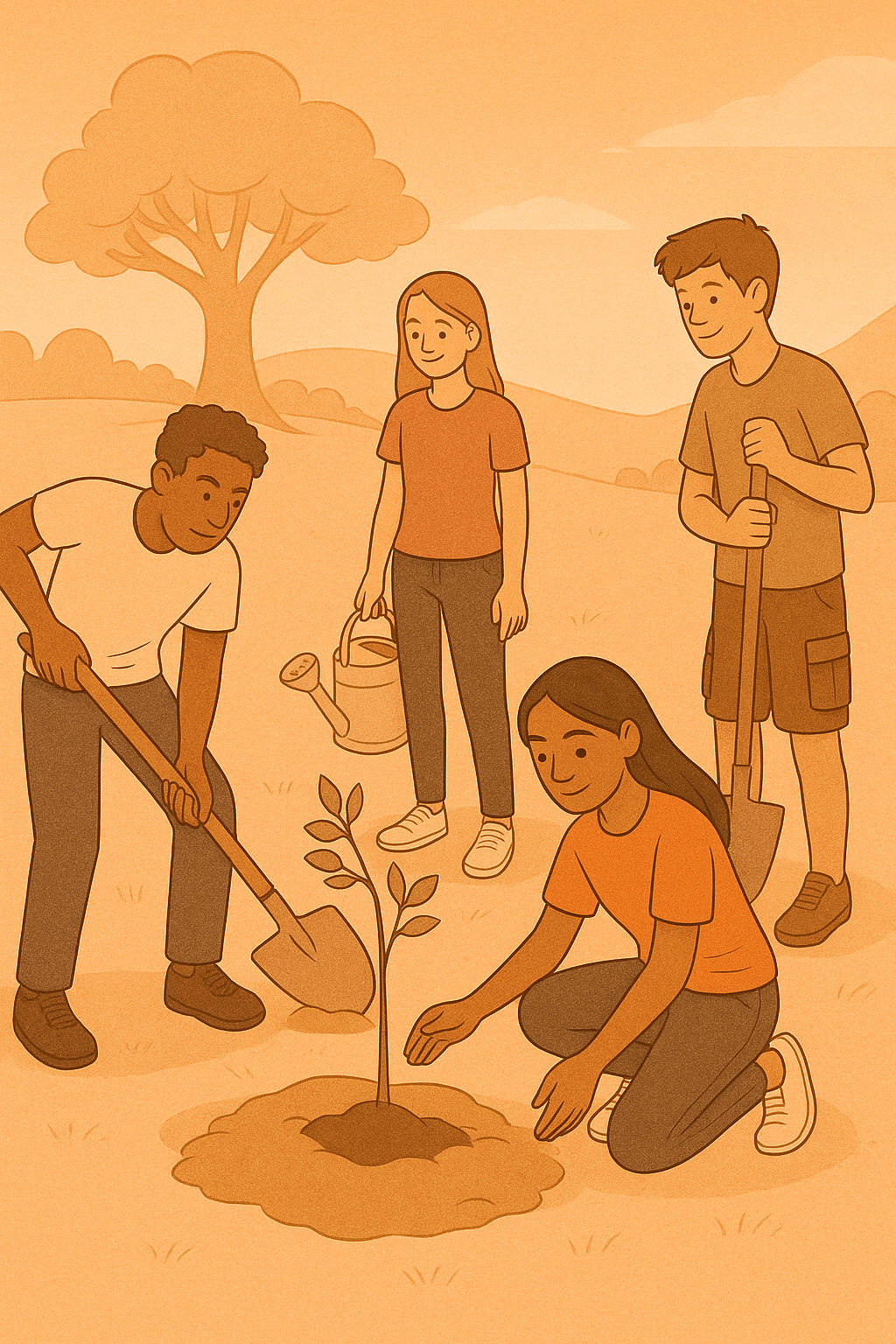
From Classroom to Community: Real‑World Learning Connections for Students
This document highlights strategies to connect curriculum with community and careers via real-world learning, enhancing student engagement, higher-order thinking, and career readiness through authentic projects and partnerships.

Cross-Sector Partnerships: Revolutionising Educational Experiences for Tomorrow
Cross-sector partnerships connect education with industry to offer real-world learning, fostering adaptable, innovative students. Collaboration among schools, businesses, and communities drives future-focused education.
- 1
- 2
