


 Paul Slowey
From Student Voice to Genuine Agency: Practical Moves for Future‑Focused Classrooms
Most classrooms stop at student voice, missing the shift to real student agency. You want your students making choices that matter—not just ticking boxes. This post shows how to move beyond talk to practical steps that bring learner agency alive in your human-centred classroom. Ready to reshape learning with clear frameworks and quick wins? Let’s get started. For more insights, explore this resource.
Empowering Student Agency

To truly empower students, we must engage them in their own learning journey. This section will guide you through co-designing learning with pupils and making choices that truly matter.
Co-design Learning with Pupils
Imagine stepping into a classroom where students are not just participants but co-creators of their learning path. This shift from passive learning to active involvement is key to fostering student agency. Start by holding brainstorming sessions where students voice their interests. Use these insights to tailor projects and lessons, ensuring relevance and engagement.
Involve students in setting learning objectives. This not only boosts motivation but also encourages accountability. Whether through group discussions or individual reflection, let students have a say in what they learn and how they learn it. The result? A classroom buzzing with enthusiasm and deeper commitment to learning.
Meaningful Choices in Education
Offering students meaningful choices can transform the classroom atmosphere. Begin by providing options in assignments or project topics. A choice could be as simple as selecting a book to read or deciding how to present a project. This autonomy builds confidence and personal investment in education.
Create opportunities for students to decide on class activities. Perhaps they vote on a theme for a project or choose roles in group work. These small decisions accumulate, fostering a sense of ownership and responsibility. The more you involve students in the decision-making process, the more they develop critical thinking and problem-solving skills.
Human-centred Classrooms
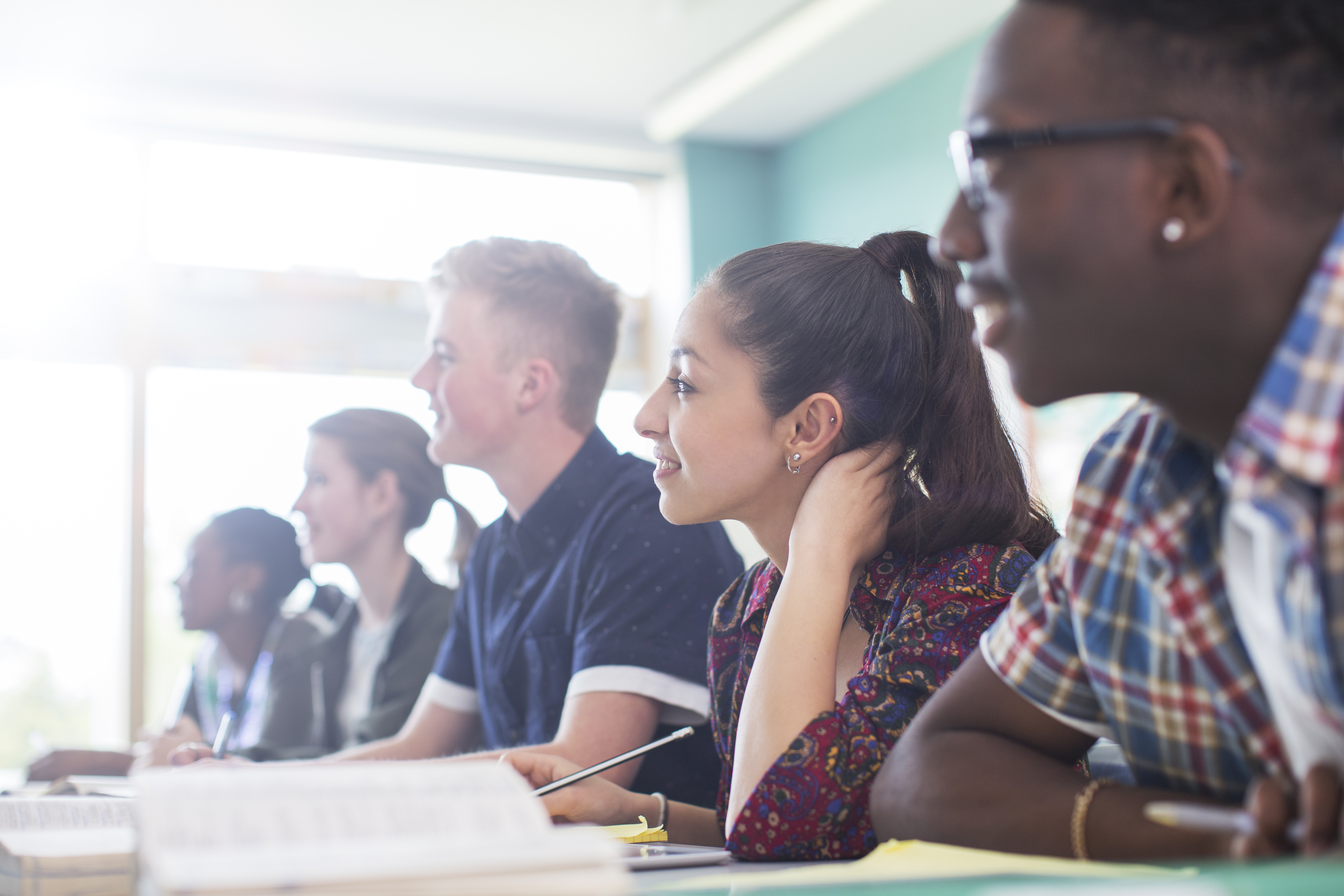
Building a human-centred classroom involves creating an environment where each student feels valued and understood. This section explores how to construct a future-focused setting and implement practical classroom protocols to achieve this goal.
Building a Future-focused Environment
A future-focused classroom is dynamic and evolving, designed to prepare students for real-world challenges. Start by integrating technology meaningfully into lessons. Use tools that allow students to collaborate and create, such as online forums or digital storytelling apps.
Encourage an open-minded classroom culture. Discuss global issues, encouraging students to think critically about the world around them. This approach not only broadens perspectives but also inspires students to become active participants in their communities. A future-focused classroom is a breeding ground for innovation and forward-thinking.
Practical Classroom Protocols
Adopting practical protocols can streamline and enrich classroom interactions. For example, implement a “question of the day” to spark curiosity and discussion. This simple protocol encourages students to engage actively each day, fostering a culture of inquiry.
Create a “feedback loop” protocol where students regularly assess each other’s work. This peer review process can improve understanding and communication skills. By incorporating such protocols, you ensure that every student has a voice and an opportunity to contribute meaningfully.
Explore more on empowering students with practical strategies here.
Authentic Assessment and Metacognition
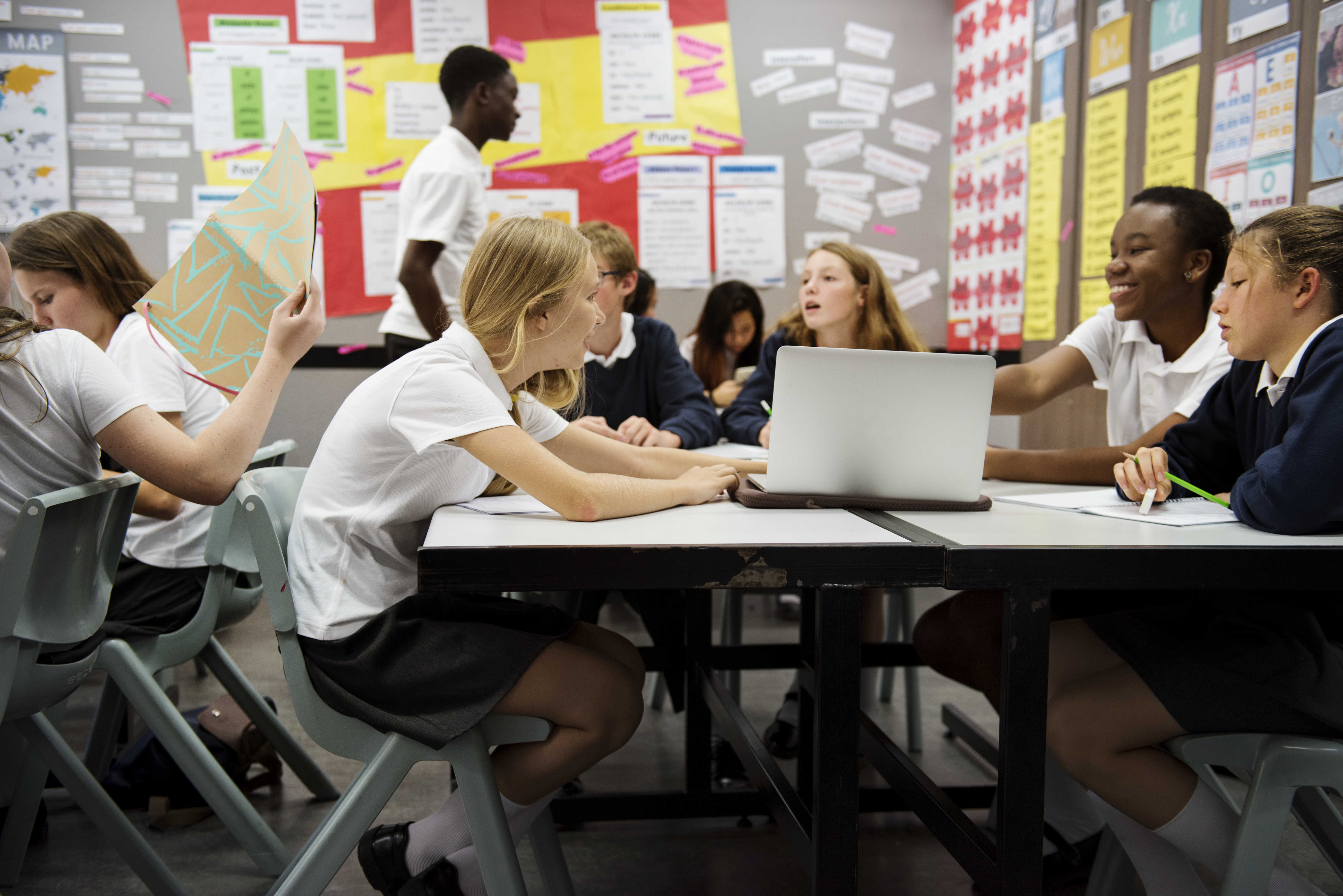
This section delves into the importance of authentic assessment and metacognitive practices in cultivating meaningful learning. Discover how project-based learning and strengthening higher-order thinking skills can elevate educational outcomes.
Project-based Learning for Real-world Skills
Project-based learning (PBL) immerses students in real-world challenges, making learning relevant and engaging. For instance, students might tackle a community issue, using their skills to propose solutions. This hands-on approach not only enhances learning but also instills a sense of purpose.
PBL encourages collaboration, as students often work in teams. This collaboration mirrors real-world work environments, teaching essential communication and teamwork skills. With PBL, students learn by doing, which is more impactful than traditional methods.
Strengthening Higher-order Thinking Skills
Higher-order thinking skills (HOTS) are crucial for student success in today’s complex world. Introduce activities that require analysis, evaluation, and creation. For example, ask students to debate a current event, requiring them to research and articulate their viewpoints.
Encourage metacognition by having students reflect on their learning processes. This reflection helps them understand how they learn best, allowing them to develop strategies for future tasks. By fostering HOTS, you prepare students to tackle challenges with confidence and creativity.
For more on the power of student agency and choice, visit this link.
In conclusion, empowering student agency transforms classrooms into vibrant learning communities. By co-designing learning experiences, offering meaningful choices, and implementing practical protocols, educators inspire students to take charge of their education. With a focus on authentic assessment and higher-order thinking, we prepare students for the future, ensuring they have the skills and mindset to thrive. Let’s continue to create classrooms where student voice and agency lead the way.
