


 Paul Slowey
Agency in Action: Practical Ways to Build Student Ownership of Learning
Most classrooms still follow old routines where students wait for answers. That mindset blocks student agency and ownership of learning, leaving many learners stuck and disengaged. This post offers clear, low-prep strategies you can try this week to shift that dynamic and give your students more voice and choice. Take the first step today and explore how Teach for Tomorrow’s practical tools can help you build confident, self-directed learners.
Practical Strategies for Student Agency

When students are given the reins, they thrive. Begin with fostering a sense of voice and choice in your classroom. This sets the stage for deeper engagement and enthusiasm.
Fostering Learner Voice and Choice
Empower your students by letting them express what they want to learn. Start small: allow them to pick topics for projects or choose how to demonstrate their understanding. This simple shift can ignite a passion for learning. Consider a student who passionately presents a project on marine life because they chose the topic. This sparks curiosity in others and promotes collaboration. Encourage students to propose their ideas and solutions. This involvement builds confidence and a sense of ownership. As they see their ideas valued, engagement naturally increases.
Boosting Pupil Autonomy with Choice Boards
Choice boards are a fantastic tool to increase autonomy. They offer a range of tasks, letting students decide which ones to complete. This choice fosters independence and responsibility. Create a board with varied activities: writing a poem, drawing a concept map, or creating a short video. Each task caters to different strengths and interests. Students feel more in control, which boosts motivation. Use choice boards to cater to diverse learning styles and preferences. When students select tasks that play to their strengths, they feel successful and motivated to tackle new challenges.
Encouraging Self-Regulation and Reflection Routines
Encouraging students to reflect helps them understand their learning processes. Simple routines like journaling or peer discussions can make a big difference. Introduce a five-minute reflection at the end of each lesson. Ask students to jot down what they learned and where they struggled. This routine helps them recognise patterns and develop strategies for improvement. Foster a classroom culture where reflection is valued. Celebrate insights and growth, not just end results. This approach encourages students to take responsibility for their learning journey.
Empowering Ownership of Learning
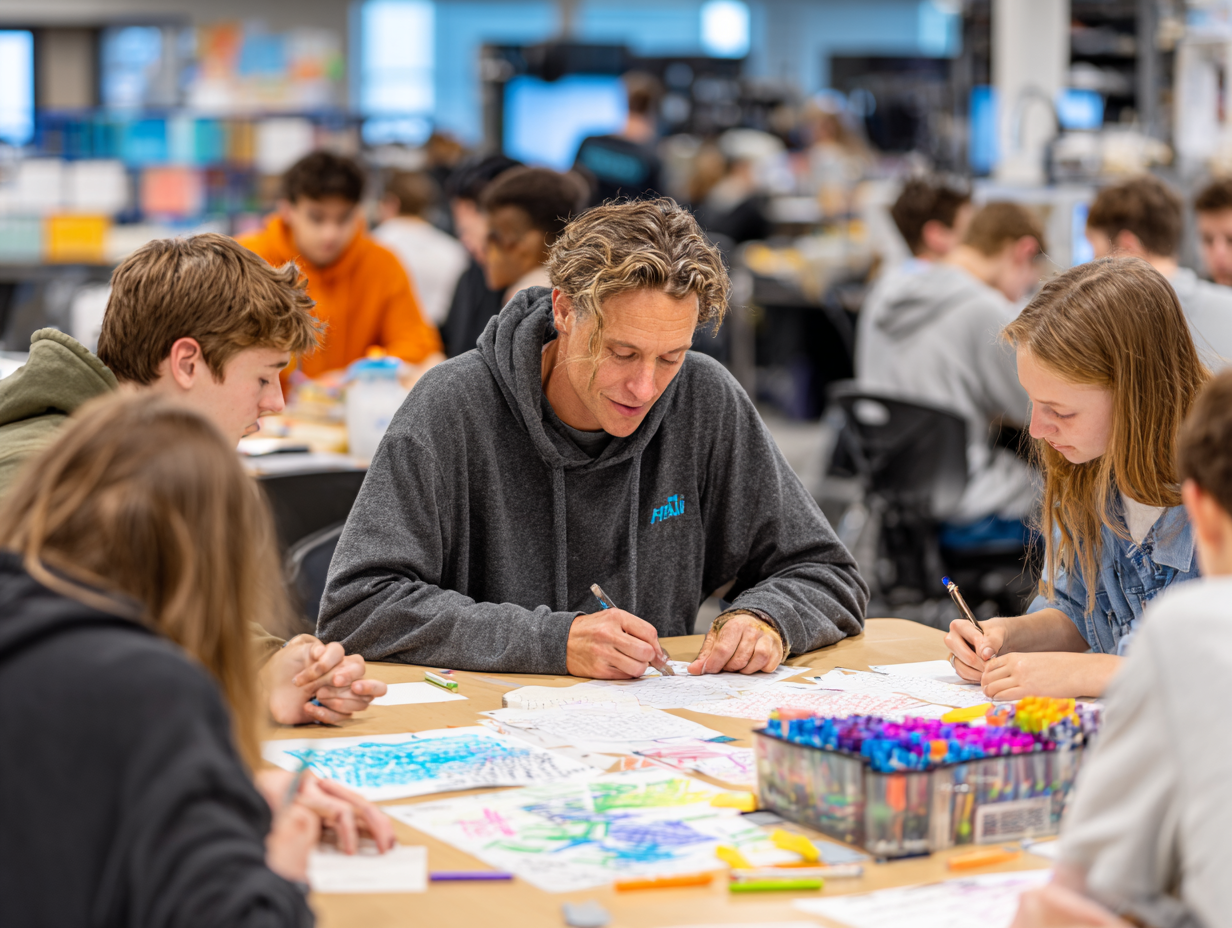
Once students have a voice, it’s important to guide them toward owning their learning process. Let’s explore how co-creation and project-based learning can lead the way.
Co-Created Success Criteria and Self-Assessment
Invite students to help set success criteria for assignments. Co-creation makes the learning process transparent and inclusive. When students understand expectations, they feel empowered. Together, create a checklist: What makes a strong essay? What should a science experiment include? Involve students in building these criteria. This approach helps them internalise learning goals and standards. Encourage self-assessment alongside teacher feedback. When students self-evaluate, they learn to recognise quality work and areas for improvement.
Engaging Students through Project-Based Learning
Project-based learning (PBL) drives real-world connections and creativity. Start with a problem or question relevant to students’ lives. This approach fosters engagement through exploration and discovery. Imagine a project where students design a sustainable school garden. They research, plan, and collaborate, learning key skills along the way. PBL encourages critical thinking and collaboration. Students take charge, developing solutions and presenting findings. This ownership boosts confidence and pride in their achievements.
Inquiry Learning to Enhance Higher-Order Thinking
Inquiry learning encourages students to ask questions and seek answers. This method builds higher-order thinking skills by promoting curiosity and critical analysis. Begin with a topic and let students formulate questions. For example, exploring the impact of technology on society. Guide them to research and discuss their findings in groups. Inquiry learning requires guidance but offers immense rewards. Students learn to evaluate information and form reasoned conclusions, preparing them for complex challenges.
Future-Focused Teaching Practices

The future of education is bright when we prioritise student-led learning and wellbeing. Let’s look at practices that prepare students for the challenges ahead.
Student-Led Conferences for Evidence of Learning
Student-led conferences give students a platform to showcase their work. They highlight accomplishments and reflect on growth. This format places students at the centre of their learning journey. Set aside time for students to present portfolios of their work. Encourage them to share successes and areas for growth with peers and teachers. This practice builds communication skills and self-awareness. As students prepare and lead these conferences, they learn to articulate their learning process and achievements.
Goal-Setting and Metacognition Techniques
Goal-setting empowers students to take charge of their learning. Teach them to set SMART goals: Specific, Measurable, Achievable, Relevant, and Time-bound. This structured approach encourages discipline and focus. Encourage metacognition by asking students to think about their thinking. What strategies work best for them? Where do they need to adjust? This reflection enhances self-awareness and learning strategies. When students have clear goals and understand their learning processes, they become more resilient and motivated learners.
Building Human-Centred Classrooms with Belonging and Wellbeing
Create a classroom culture where every student feels valued and supported. This sense of belonging promotes wellbeing and encourages risk-taking. Simple acts like greeting students at the door or celebrating achievements can foster a positive environment. Encourage collaborative activities that build trust and empathy. By prioritising relationships, you help students feel connected and secure. This foundation allows them to explore and take ownership of their learning confidently.
As you implement these strategies, remember: small changes can lead to big transformations. By fostering student agency and ownership, you’re paving the way for a more dynamic, engaging, and future-focused classroom. Keep exploring and evolving; the journey towards empowered learning is just beginning.
